
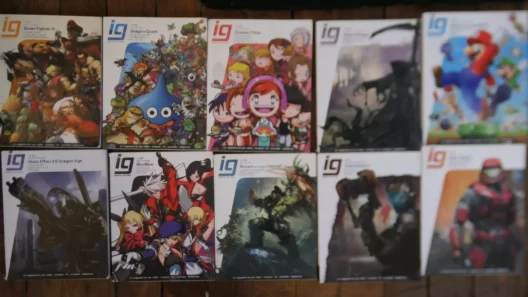
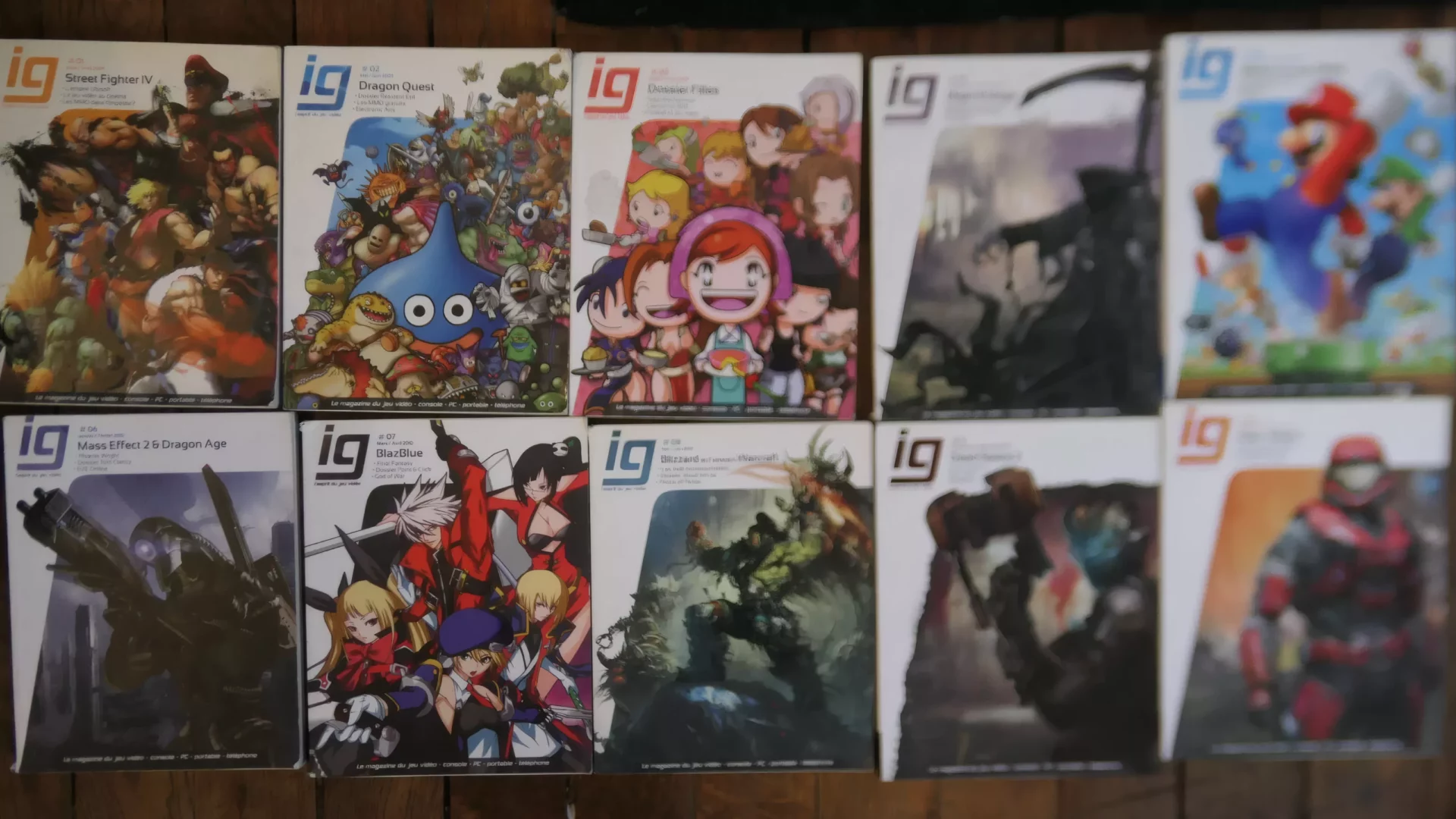
Once upon a time in 2009, as the financial crisis directly impacted the media industry, Ankama made a bold bet that defied all commercial logic. The Roubaix-based studio, riding high on the success of Dofus, announced the launch of a magazine: IG Magazine. Luxury format, 244 pages without advertising, a cultural approach to video games—everything seemed perfect on paper. Yet, four years later, this adventure came to an abrupt end.
A look back at the story of a project that embodied the ambition of a different kind of video game press, but failed to retain its audience.
The Context: A Looming Crisis in Video Game Journalism
The year 2009 marked a turning point in the history of specialized video game journalism. While the sector still appeared prosperous on the surface, the first signs of fragility began to emerge. The digital revolution was transforming how information was consumed, and traditional business models were starting to show their limits.
It was in this uncertain context that Ankama, then led by its three founders, decided to diversify its activities. After creating Ankama Éditions in 2005 to publish its own comics, the studio launched Ankama Presse in June 2007, a new subsidiary dedicated to magazine publishing.
The first publication from this division, Dofus Mag, launched in December 2007, was an immediate success with a print run of 35,000 copies for its first issue. This bimonthly 132-page magazine, sold for €7.90, offered a unique approach: no advertising, content exclusively dedicated to the Dofus universe, and “remarkable” editorial quality. The bet seemed to pay off, and Ankama Presse quickly set its sights on broader ambitions.
“Ankama turns everything it touches into gold,” observed Otakia in 2010. The Dofus magazine quickly established itself as “the number 2 in video game magazines” with 70,000 copies sold per issue. This success encouraged Anthony Roux to dream bigger.
The Genesis of IG Magazine
Building on the success of Dofus Mag, Anthony Roux nurtured a broader ambition: to create a general-interest video game magazine that transcended traditional divides. The idea likely took root in 2008, but it was in February 2009 that the project officially took shape.
On February 23, 2009, Ankama officially announced the launch of IG Magazine (for “InGame Magazine“) for March 25, 2009. From the first communications, the ambition was clear. The magazine positioned itself as “a high-end bimonthly about video game culture.”
The editorial proposition stood in stark contrast to the competition. “Somewhere between a magazine and a coffee table book,” IG Magazine was “entirely dedicated to video games, their history, culture, and aesthetics.” The concept immediately won over readers.
Olivier Séguret, a respected critic from Libération, compared the project to “the Trafic of video games, with color and photos added.” This reference to the film magazine created by Serge Daney reflected the project’s cultural ambition: to offer a critical and intellectual approach to video games, comparable to that of the Cahiers du cinéma for the seventh art.
The chosen format reflected this ambition. IG Magazine adopted the concept of a “mook” (a blend of magazine and book), with 244 pages without advertising, on high-quality paper. The cover price, set at €8.50, reflected this high-end positioning.
The Editorial Team
To carry out this ambitious project, Ankama Presse assembled a high-quality editorial team, led by Bounthavy Suvilay. She had an unusual profile for video game journalism: holding a DEA in general and comparative literature from Paris 3 University and a degree in modern literature, she had already proven herself as editor-in-chief of Dofus Mag since 2007.
Her academic approach to video games—she would defend a doctoral thesis on Dragon Ball in 2019—deeply influenced the editorial line of IG Magazine. Under her leadership, the magazine developed a cultural and analytical approach to video games, far from simple reviews and walkthroughs.
The team included quality contributors from various publications. Erwan Higuinen, a journalist at Les Inrockuptibles and former contributor to the Cahiers du cinéma, joined the adventure after discovering the first issue through Olivier Séguret’s article. “It was an article by Olivier Séguret published in Libération in which he presented IG as ‘the Trafic of games, with color and photos added,'” he recalls. This comparison with the prestigious film magazine created by Serge Daney convinced him to buy the first issue and eventually join the team.
Julien Pirou, an iconic figure in the geek community and presenter on Nolife, was recruited through Sébastien Ruchet. “Sébastien Ruchet, the President of the Nolife channel, told me you were looking for writers for a magazine project at Ankama,” he explains. A specialist in RPGs and a modder for Might & Magic, Pirou brought his expertise in role-playing games and became the author of the regular column “Vie des Hauts Ludiques.”
Yann Bernard, a tennis and video game enthusiast, mainly handled reviews. Pierre-Alexandre Conte, a trained journalist working for jeuxvideo.com, was one of the first writers. Jean-Michel Caillat, a former regional daily press journalist, served as the editorial secretary.
This team, though small, shared a common vision: to treat video games as a cultural object worthy of in-depth analysis, much like literature, cinema, or the fine arts.

The Business Model: Independence Through the Absence of Advertising
The most remarkable feature of IG Magazine was its revolutionary business model for the time. Unlike the rest of the specialized press, the magazine contained no advertising in its first 12 issues.
This decision, directly inspired by Anthony Roux, was part of his general philosophy of creative independence. “Ankama allocates no budget to advertising,” he regularly declared, preferring to rely on quality and word of mouth. This approach naturally applied to IG Magazine.
The absence of advertising allowed for total editorial freedom. Writers could criticize without restraint, analyze without compromise, and propose in-depth features without commercial considerations. Bounthavy Suvilay could thus entrust Erwan Higuinen with sensitive topics such as “the place of women in the video game job market, the representation of homosexuality, the failures of crowdfunding.”
This independence came at a cost. Ankama fully financed the magazine “certainly at a loss,” as one reader observed on specialized forums, “and so just for the glory of one day saying: ‘I published a video game magazine, adult, well-written, complete, ad-free, with real in-depth articles like there are practically none left in the media.'”
The model initially worked. The magazine, with a print run of 33,000 copies, found distribution in France, Belgium, Switzerland, and Canada. Critical reviews were excellent, and IG Magazine quickly forged a reputation for quality in the specialized field.
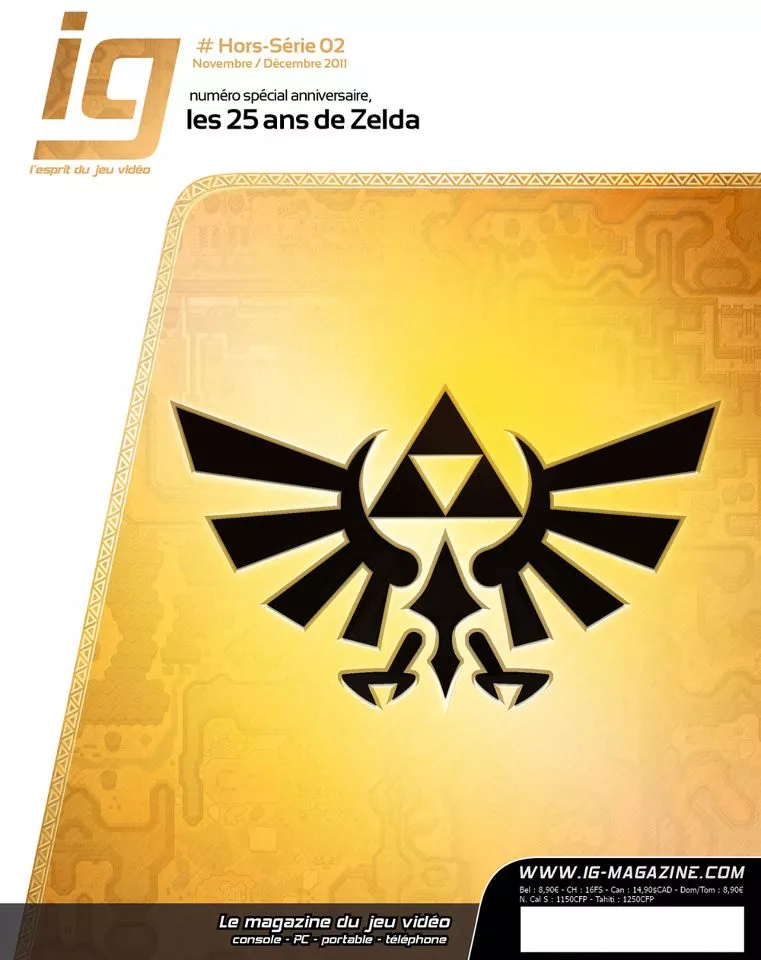
One of the magazine’s major assets was its art direction, entrusted to Boris Mirroir under the pseudonym “BenGrrr.” His artistic vision was particularly evident in the design of the covers, a complex process he described in detail. “Creating a cover means exposing yourself to a four-way tug-of-war: the editor-in-chief, the graphic designer, the publisher, and the test audience,” explains Bounthavy Suvilay in her memoirs. This collaborative approach, though sometimes conflictual, guaranteed visual quality.
The first issue perfectly illustrated this demand. Initially planned with the new characters from Street Fighter IV, the visual was ultimately revised to feature the iconic characters of the series. “The reasons for this rejection: the color was too greenish and nothing really stood out. Add to that the fact that these new characters were too ‘new’ to catch the eye of the potential consumer.”
The final version reflected Boris Mirroir’s perfectionism: “One last detail that no one noticed: on Bison’s epaulet, two ink stains depict Ken and Ryu fighting. Yes, the graphic designer is meticulous…” This attention to detail characterized all his work on IG Magazine.
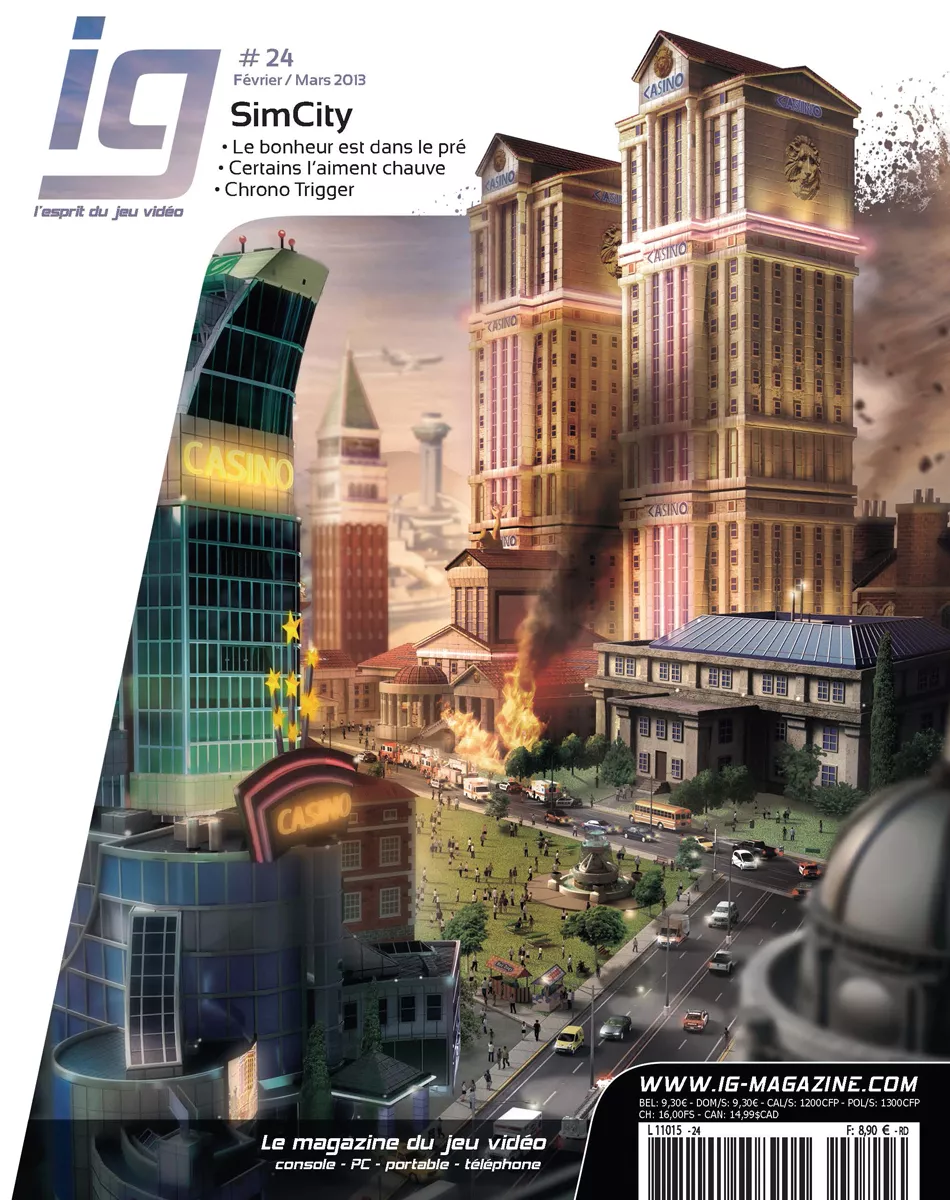
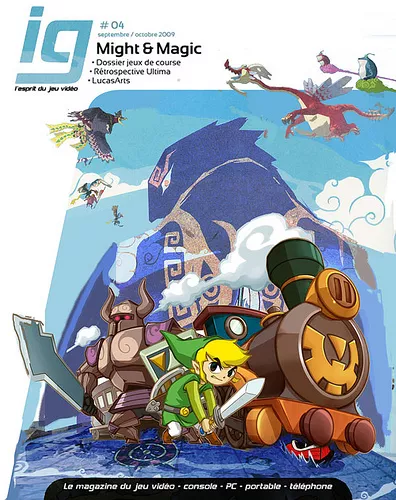
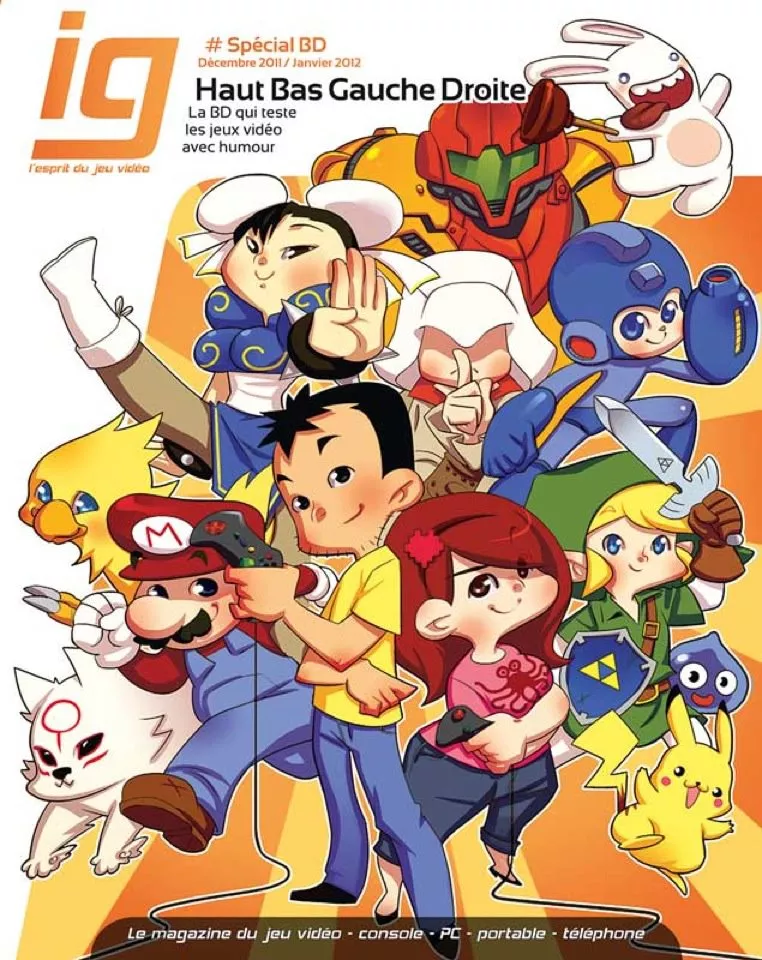
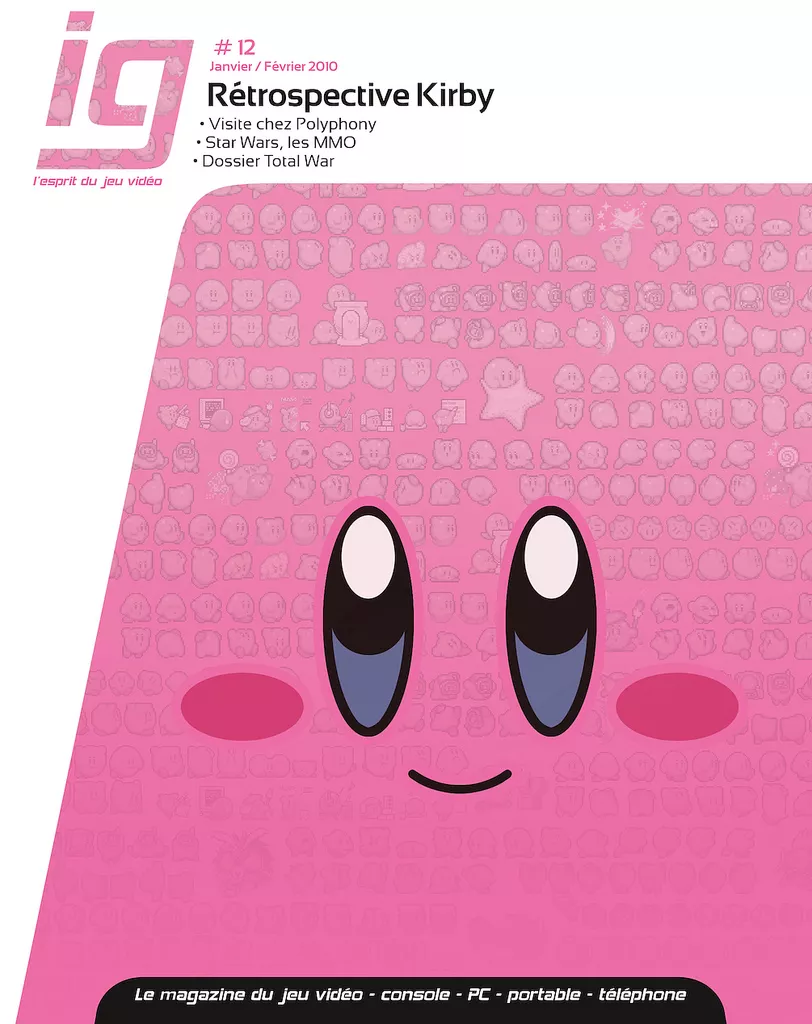
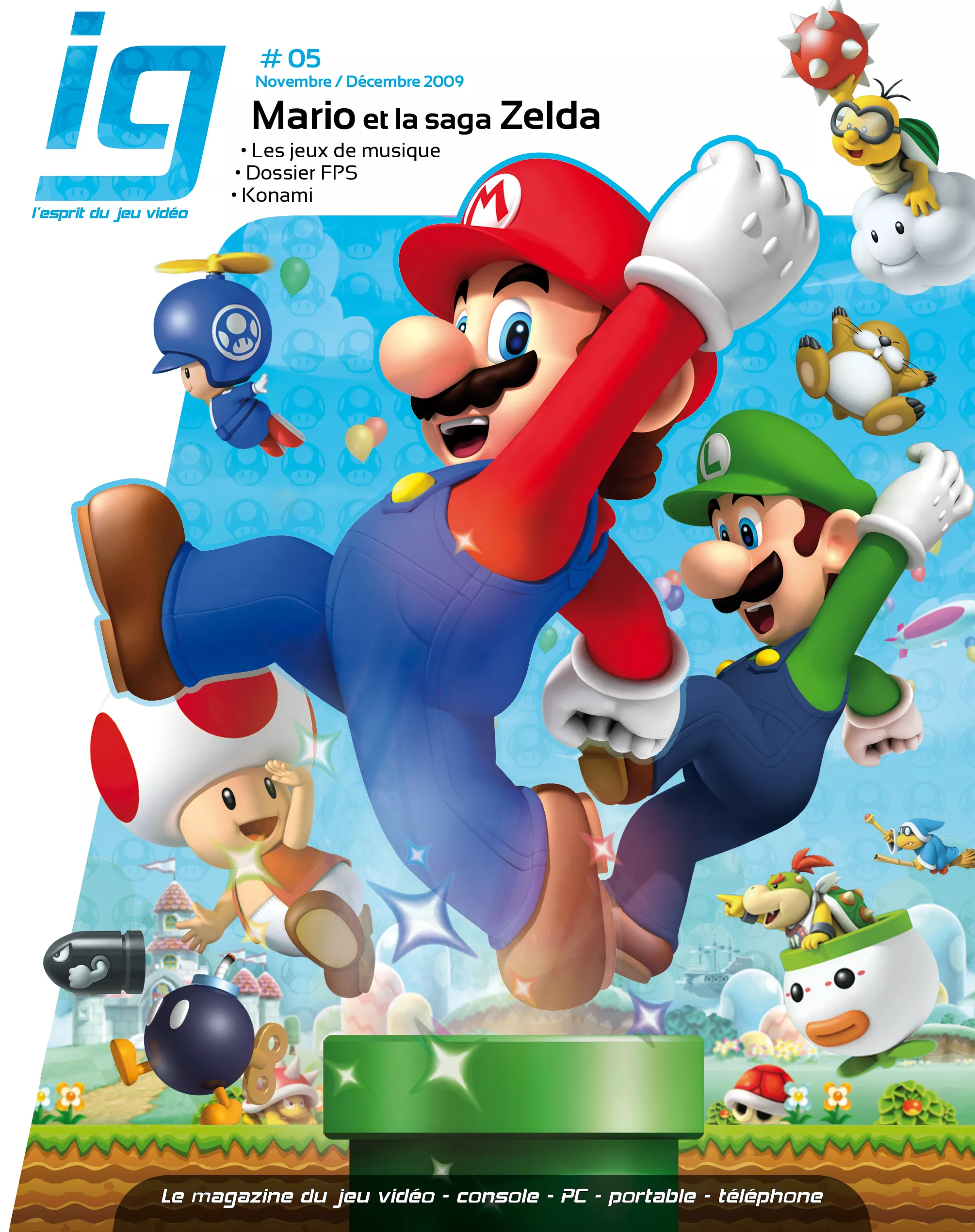
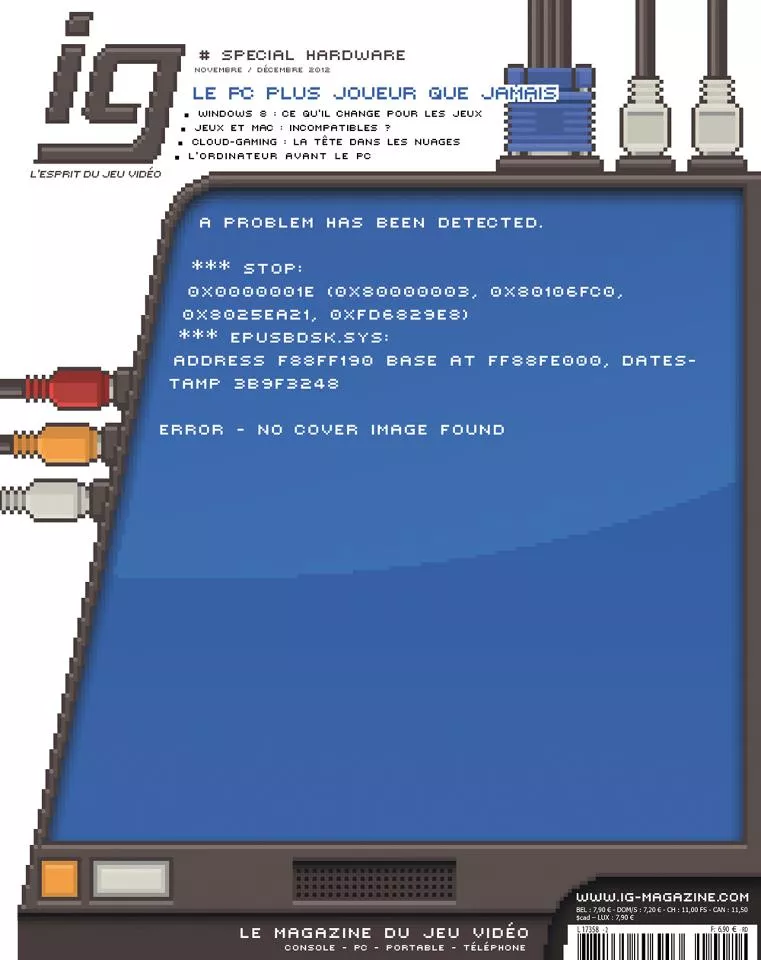
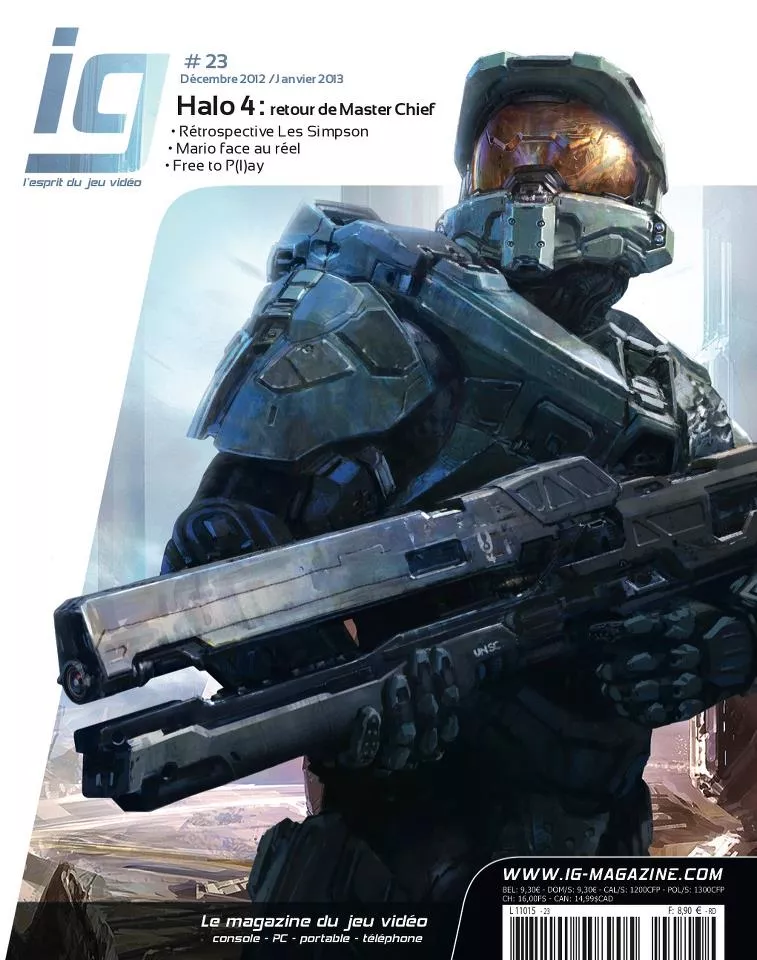
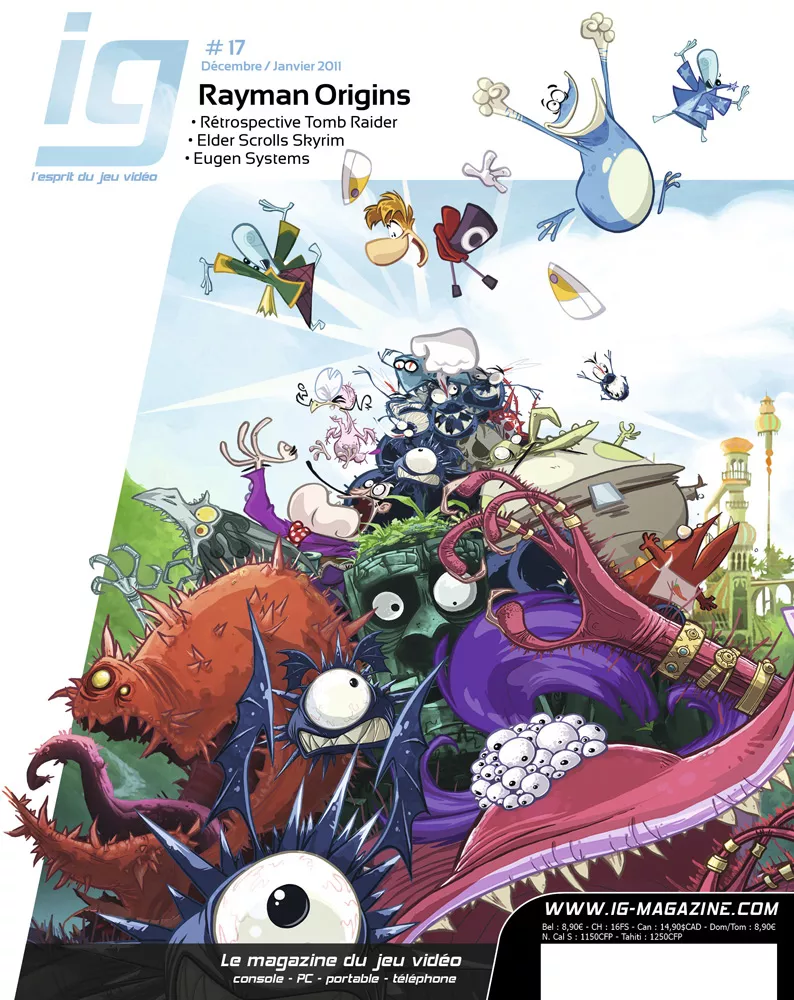
Christophe Regnault, a Lyon-based illustrator, also collaborated with the magazine under the pseudonym “Chris” or “Bis.” Specializing in illustration for role-playing games and video game press, he worked notably on Julien Pirou’s column “Vie des Hauts Ludiques.”
This artistic team helped make IG Magazine an aesthetic object, “somewhere between a magazine and a coffee table book,” as announced from the start by the editorial line.
The Editorial Approach: Treating Video Games as Art
The editorial line of IG Magazine was structured around six main sections that reflected its comprehensive approach to video games:
Reviews: The first section was dedicated to new releases and retrospective features. Unlike competing magazines, reviews made up only a minor part of the content. “For me, reviews were necessary when they were part of a follow-up on the game over several issues, as a conclusion,” explains Yann Bernard. Their purpose was “not to answer the question ‘should you buy this game?’ but rather ‘what is it about? What did the developers want to do? How did they go about it and did they succeed? Where does this game fit in video game history?'”
Economy: A section presenting trends in the video game industry, covering jobs, products, and market developments.
People: Portraits of companies, developers, and industry figures, often unknown to the general public.
Culture: A section dedicated to the interactions between video games and other media, exploring cross-influences.
Retro: A section devoted to the history of games, consoles, and companies.
Geekzone: The final section offered lighter, more personal articles, including the famous comic strip “Haut Bas Gauche Droite.”
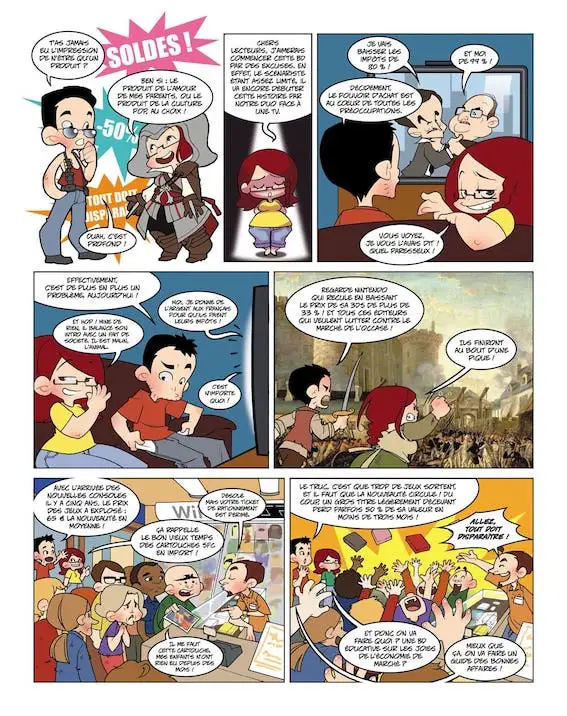
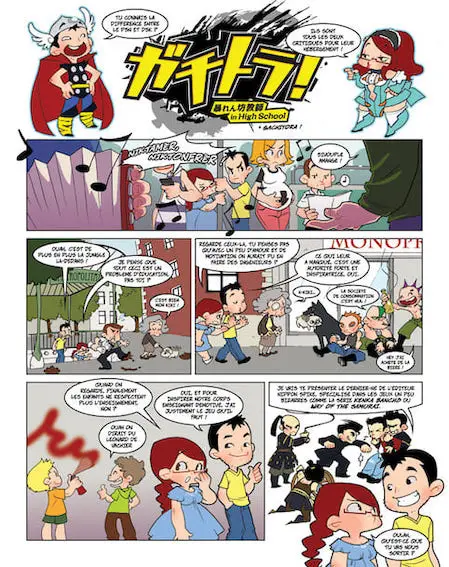
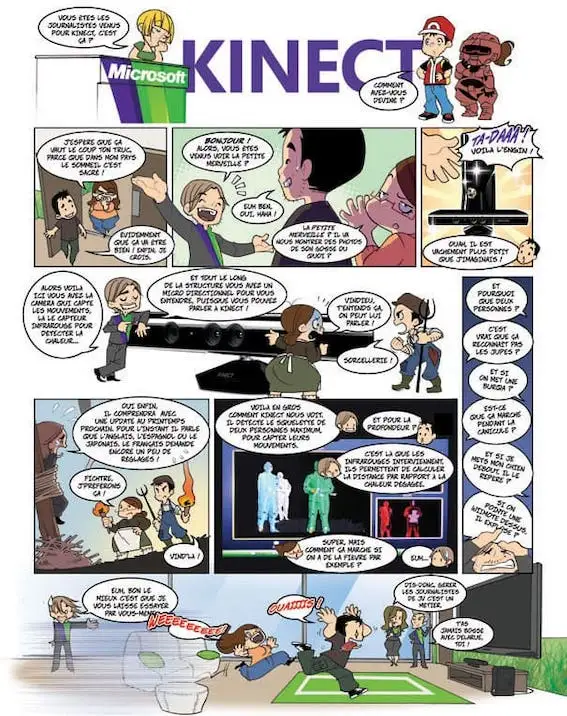
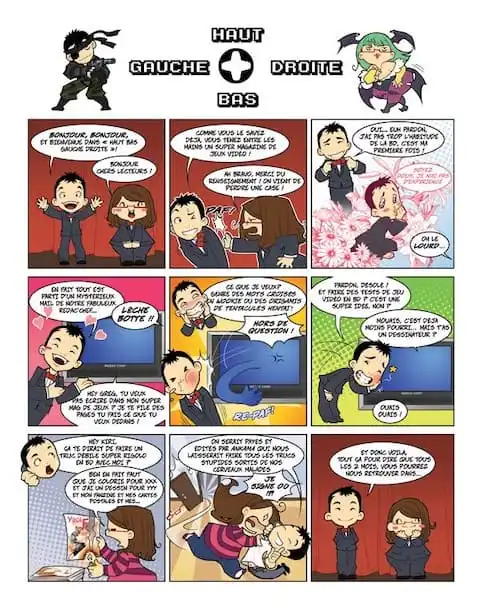
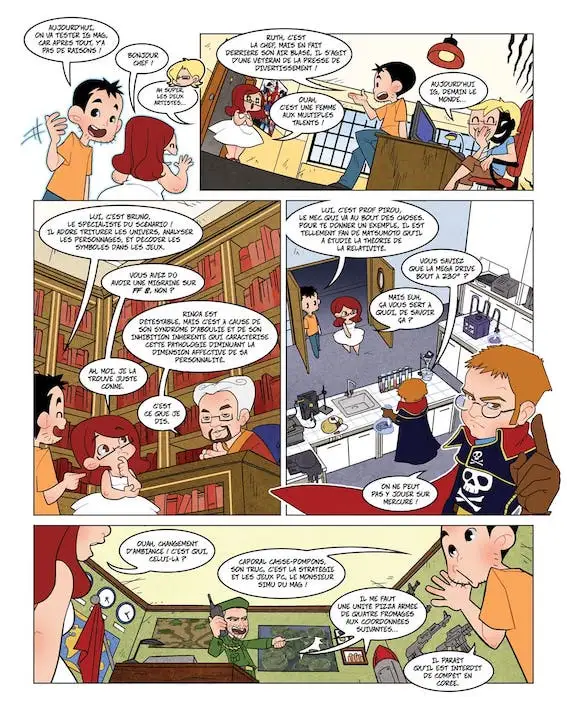
One particular innovation deserves to be highlighted: the comic strip “Haut Bas Gauche Droite” (HBGD), “the first comic strip that reviews video game titles.” Illustrated by Rachel Zimra alias “Kiri” and written by Grégoire Hellot alias “Goldengreg,” this series appeared at the end of each issue as “the cherry on top, humorously and lightly concluding the 268 pages of the magazine.”
This structure positioned IG Magazine more as a cultural review than a traditional leisure magazine. “Considering video games as a cultural product worthy of analysis in the same way as literature, cinema, or the fine arts,” the editorial team offered “many pages to this video game memory.”
One of the first issues perfectly illustrated this approach with features such as “From Pixel to the Big Screen: Video Games Go to the Movies” or “The New Place of the Body in Video Games.” These topics were unthinkable in traditional magazines.
The Marketing Strategy: Between Innovation and Missteps
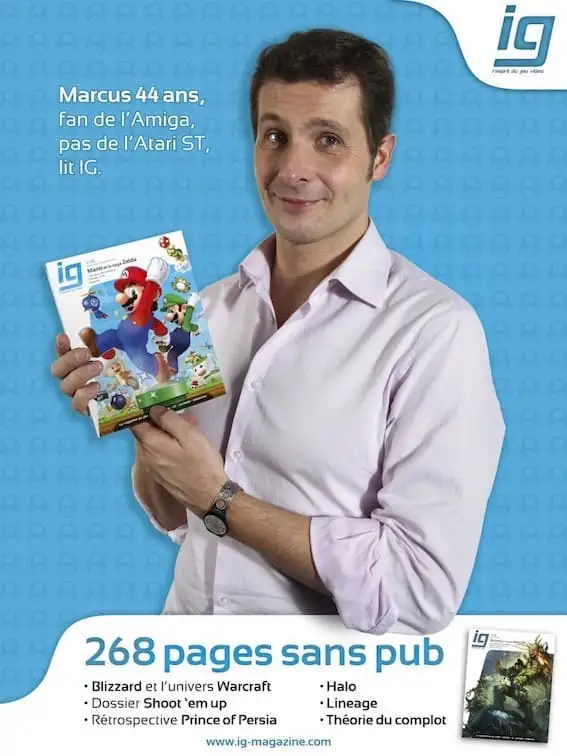
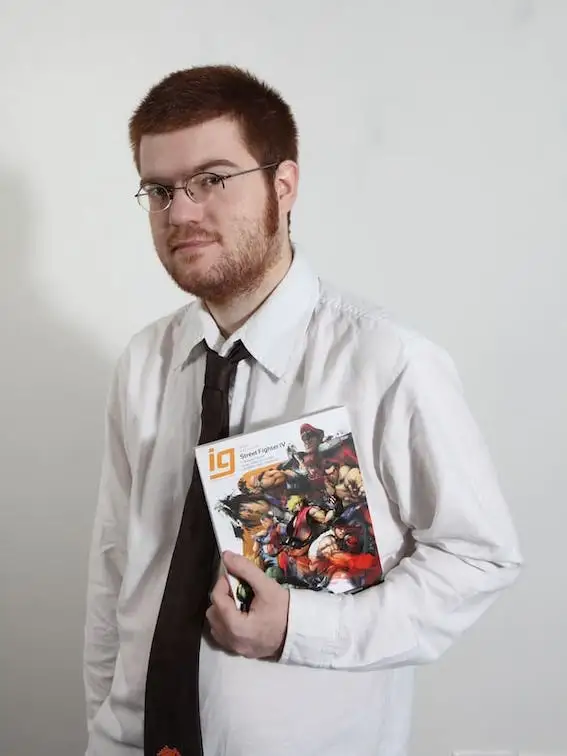
To promote this new magazine, Ankama Presse developed an original marketing strategy, leveraging its partnerships with the channel Nolife. “In 2009, we did a series of photographs for a series of posters that ultimately did not materialize. Among the people photographed were Julien Pirou and Alex Pilot from Nolife, the SoulCalibur champion Kayane, and Marcus.”
These photo sessions reflected the initial ambition of the project and IG Magazine‘s connections with the French geek ecosystem. Marcus (Marc Lacombe), an iconic figure in video game television, lent his voice to several humorous commercials created by Davy Mourier and the team behind Noob.
These ads, broadcast on Nolife and the web, left a lasting impression with their offbeat tone. “For the first ad in the series, before Davy took over the writing, I had proposed to Alex Pilot the pitch about the toilets,” recalls Bounthavy Suvilay. The anecdote reveals the artisanal spirit that characterized the early days: “We didn’t yet have the printed magazine in hand. So, we had to make a fake magazine and glue the image of the cover, which had just come out at the last minute, on a Nolife printer… Look closely at the character turning the pages: they’re blank!”
However, this marketing strategy suffered from several limitations. Distribution quickly became an issue: “This magazine is not always easy to find in newsstands,” noted one reader, forcing interested parties to order via “Ankama’s mail-order website.” This limited distribution significantly hindered commercial development.
Even more problematic, “newsagents, not knowing what to do with this new product, placed it where they thought the magazine should be: in the comics or manga section…” This confusion revealed a fundamental problem with product identification. “Lesson learned: for a new magazine, it’s better to specify in a big fluorescent yellow sticker which category the magazine belongs to,” the team concluded bitterly.
The early days of IG Magazine proved promising. Specialized critics unanimously praised the quality of the project. “It weighs a pound and it’s as beautiful as a book!” enthused Trazom from Gameblog. The magazine won over a knowledgeable audience in search of in-depth content.
“I have rarely seen a journal, in any media, be so rich, interesting, and well-written,” testified a reader on the forums. This critical acclaim allowed IG Magazine to stand out in a saturated editorial landscape.
Julien Pirou has fond memories of this period: “What I particularly appreciated about IG was that we could really submit article ideas on very specific, even obscure topics, and there was always a little space for them in the magazine.” This editorial freedom allowed for unprecedented topics, such as his article on ball games: “You had contacted me saying, ‘Are you interested in an article on ball games?’ Then, probably alerted by my silence on the other end of the line, you quickly clarified: ‘I’m talking about games like Marble Madness or Super Monkey Ball, okay!'”.
Erwan Higuinen particularly appreciated “the possibility of writing long texts, whereas elsewhere, I am most often confined to short formats.”
However, as early as 2010, warning signs appeared. Circulation dropped dramatically, from 33,000 to 10,000 copies. This sharp decline revealed a fundamental gap between editorial ambition and market expectations. Otakia noted in 2010 that while Dofus Mag “sells 70,000 copies,” IG Magazine struggled with its “10,000 copies.” This difference illustrated the difficulty in reaching an audience beyond hardcore video game fans.
Even more problematic, the global economic crisis of 2008-2009 hit the press sector hard. Advertising budgets shrank, consumption habits changed, and even established magazines struggled to maintain their sales. The constraints of remote work also began to weigh on the team. Yann Bernard pointed out that “the closing dates were very early, and with the bimonthly publication rhythm, it made writing reviews on time complicated.”
The Painful Concession: The Introduction of Advertising
Faced with growing commercial difficulties, Ankama Presse had to make a painful choice. Starting with issue 12, advertising made its appearance in IG Magazine. This decision marked a symbolic and practical turning point.
Officially, the introduction of advertising aimed to “not increase the price of the magazine, due to the rising cost of paper.”
The arrival of advertising immediately provoked “the anger of fans.” Loyal readers saw it as a betrayal of the magazine’s core values. Worse, this introduction was made “at the expense of characteristic elements of the magazine (section transitions, mini-comics…).”
This evolution revealed the trap in which IG Magazine found itself. By giving in on the absence of advertising, the magazine lost part of its identity without solving its structural economic problems. Advertising revenues remained insufficient to offset the high production costs.
The tension between editorial quality and economic viability became increasingly difficult to manage. Julien Pirou noted bitterly: “The only point that sometimes annoyed me in IG, especially during the magazine’s early years, was the ‘zeal’ of the proofreaders (…) But it sometimes happened that the corrections were not justified. For example, one of the proofreaders, who was averse to puns, would remove them from my articles… (…) to discover that entire sentences had been changed, deemed too heavy, and replaced with statements contrary to the original meaning (…) Fortunately, things improved significantly afterward, and again, 99% of the time everything went very well.”
The year 2012 marked a dramatic turning point for the entire French video game press. The judicial liquidation of MER7, the main publisher of video game magazines in France, led to the disappearance of 15 titles representing 300,000 copies in monthly circulation.
This bloodbath directly affected IG Magazine. By the end of 2012, Ankama recorded losses of €250,000 for its magazine. These disastrous figures forced management to make a painful decision. As Gamekult noted in 2014: “If ToT believes he has ‘laid one of the best, if not the best’ video game magazine, the initiative still shows €250,000 in losses at the end of 2012.”
This situation was part of a broader sector crisis. As Acrimed observed, “after the bankruptcy of MER7, the video game print press was reduced to four magazines (Canard PC, Role Playing Game, PC4WAR, IG), two of which would disappear in early 2013.”
The economic context left no room for maneuver. Rising production costs, declining advertising revenues, and above all, the shift in consumption habits toward digital media weakened the entire sector.
For IG Magazine, the situation became untenable. The business model, already precarious due to the initial absence of advertising, failed to balance even after the late introduction of advertising. The period from January to April 2013 likely marked the time when internal discussions about the magazine’s future intensified dramatically.
On May 27, 2013, Ankama Presse published a statement that sounded the death knell for IG Magazine. “Faced with economic difficulties, the measures already implemented by the team were not enough. It would have been impossible to go further without compromising the quality of the magazine.”
“It is therefore, not without pain, that the publisher has chosen to stop on a positive note rather than to continue at all costs, at the risk of disappointing its readers.” This decision showed a certain elegance, but also a bitter failure.
The announcement fell like a guillotine for the team and loyal readers. The 27th issue, released on July 26, 2013, definitively closed the adventure. This final issue, true to the magazine’s spirit, still offered “a quality program, focused on the indie scene and retro” with features on Grandia, Grand Theft Auto, and James Pond.
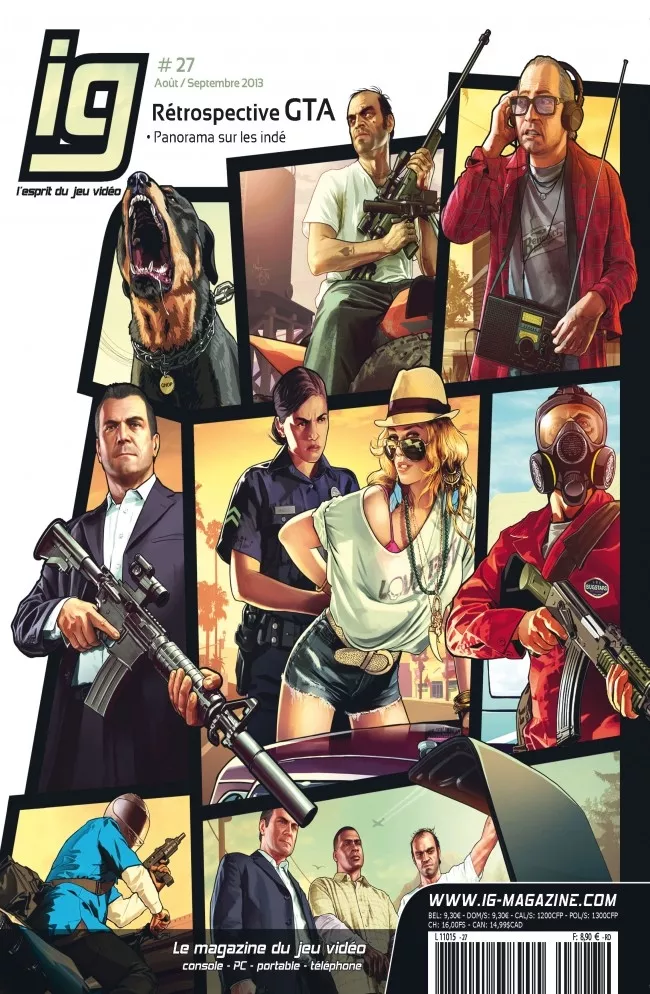
In total, IG Magazine published 27 issues, 7 specials, 3 special editions, and a book on RPGs. While this output was quantitatively modest, it represented a unique publication in the history of French video game journalism.
Despite its commercial failure, Julien Pirou summed up the experience with emotion: “More than anything, working for IG gave me the satisfaction of having participated in the best video game magazine of the 2010s (let’s not be afraid of words).”
The magazine demonstrated that a cultural and intellectual approach to video games could appeal to a quality audience, even if limited. “Note also that the ‘conflict of interest’ of a game editor/publisher editing its own magazine is very well managed; there is barely a logical and sensible reference to Dofus in a feature on MMOs and not a gram of self-promotion,” noted Raton-Laveur in 2013 and added “(…) obscenely rich thanks to Dofus. Every time I go to a convention where they have a booth, the other exhibitors are amazed, saying ‘where do they get all that money from?’ They save Nolife, they make their own cartoons and comics, and now they’re publishing their own video game magazine (Dofus Mag aside), and even Street Fighter IV is on the cover.”
Erwan Higuinen kept particularly positive memories of the working conditions: “I particularly appreciated the relationships with the editor-in-chief and the editorial secretary, both before and after writing my articles. I had really not been used to being able to reread the pages where my texts appeared and possibly make last-minute corrections.”
The influence of IG Magazine was felt in subsequent attempts at quality video game journalism. The editorial approach, the mook format, and the initial absence of advertising inspired other projects, although none managed to replicate the ambition and quality of Ankama’s magazine.
Bounthavy Suvilay kept fond memories of her readers: “It’s always very encouraging to see the images that our readers send us on social networks. They take the time to stage their magazine collection. It’s reassuring to know that we didn’t work for nothing and that the issues are kept after reading and not thrown away after consumption.”
The editorial team of IG Magazine went on to other projects. Bounthavy Suvilay published in 2018 with Bragelonne “Indie Games: History, Artwork, Sound Design of Independent Video Games,” thus continuing her academic reflection on the video game medium.
Julien Pirou continued his career in video games, becoming a Creative Designer and writer for Might & Magic X: Legacy at Ubisoft, thus fulfilling the dream of many enthusiasts: making a living from his passion for games.
The failure of IG Magazine revealed the limits of Ankama’s economic model. While the studio could afford to fund loss-making creative projects thanks to the revenues from Dofus, this approach quickly reached its limits in the face of significant recurring losses.
More broadly, the IG Magazine adventure illustrated the structural difficulties of print media in the face of the digital revolution. In 2013, Arrêt sur Images noted that “with this disappearance, ‘there will only be three video game press titles left.'” This prescient observation underlined the scale of the crisis then affecting the sector. As L’Observateur noted in its tribute to the magazine: “IG Magazine is gone, and old players feel a little orphaned.”
The IG Magazine experience cruelly illustrated that in the publishing industry, editorial quality alone is not enough to guarantee commercial success. Sometimes, the best creative intentions collide brutally with the relentless economic imperatives, and the most beautiful editorial projects sink into collective oblivion. But as Julien Pirou nostalgically pointed out: “The sadness that such a beautiful adventure is ending” should not overshadow the pride “of having participated in the best video game magazine of the 2010s.”
Ankama Presse no longer exists as such since 2015, when it ceased its activities after the discontinuation of Dofus Mag. It was dissolved and merged with Ankama Éditions, the publishing branch of the Ankama group, which now focuses on comics, manga, novels, and artbooks, without periodic publications.
In 2025, Ankama no longer publishes any magazines. Former publications such as Dofus Mag, Wakfu Mag, IG Magazine, and Akiba Manga were all discontinued between 2011 and 2015. Although some articles from Dofus Mag were republished as webtoons in 2024 to celebrate the 20th anniversary of Dofus, this does not constitute a regular resumption of publication. Community initiatives such as the Gazette Mag, linked to the game Wakfu, exist and are supported by Ankama, but they are produced by fans and not directly edited by the group.
This article was written based on archives and testimonies collected on the web, particularly the valuable post-mortem testimonies gathered by Bounthavy Suvilay on her blog. If you lived through this era and would like to share your memories of IG Magazine, feel free to let us know in the comments or on our social networks.