
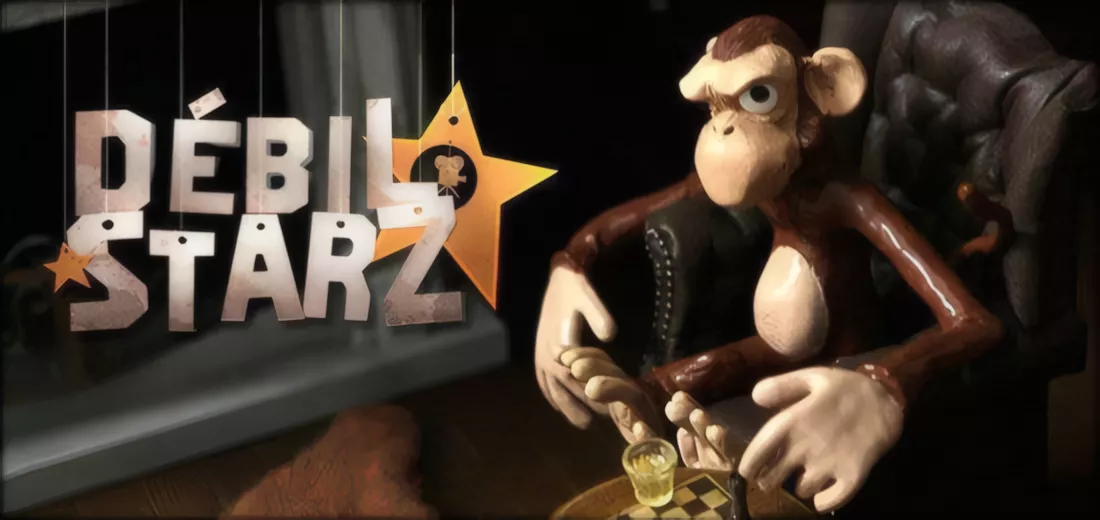
Once upon a time, in the prolific universe of Ankama Animations, between the resounding successes of Wakfu and Dofus, there was a small stop-motion series that faded into obscurity for nearly a decade. Débil Starz, a claymation series created by Pierre Fernandez from 2010 to 2011, represented a radically different artistic experiment for the Roubaix-based studio. Today, this creation is experiencing an unexpected revival thanks to its creator on YouTube.
The Origins
The story of Débil Starz has its roots in an earlier short film titled “Débil Dead”, directed by Pierre Fernandez around 2008-2009. This pioneering work, though difficult to find today, already laid the foundation for the concept that would captivate Ankama: pitting popular icons against each other in burlesque and violent situations, all in stop-motion claymation.
The real trigger for the collaboration with Ankama is revealed in the making-of testimonies: “ToT (…) saw Débil Dead and knew I intended to create a series based on the same concept, and he wanted to produce it.” This chance encounter between Pierre Fernandez and ToT, the studio’s art director, marked the beginning of a unique adventure for Ankama, which decided to invest in “claymation stop-motion, which was new for Ankama.”
Yann Gobart testifies to this spirit: “We arrived here at Ankama, there was nothing, we were inaugurating this sector, the stop-motion sector, there were only white walls. So we had to set up these spotlights, we had to find the right spots.” The team consists of a small but passionate core. As described by Yann Gobart during Manga-News’ visit to the workshop: “We are a small team of 5, 6 people… I also count the screenwriter among the 5-6 people.” This small size allows for close collaboration and unbridled creativity: “(…) we have 2 floors to climb to say ‘By the way, did you do that?’ ‘No, I didn’t, you’ll do it tomorrow.'”
It was Pierre Fernandez, an animator specializing in volume animation and stop-motion, who led this atypical project. Trained in traditional volume animation techniques, Fernandez brought rare expertise to Ankama, which was accustomed to the 2D Flash productions of the Wakfu series. His artisanal approach was radically different from the studio’s standards.
The initial ambition was considerable: “I started by writing 26 episodes… 26 pitches rather. I built on the pitches that Pierre had written.” Yann and Tom Gobart, brothers and screenwriters, indeed joined the project to enrich the narrative aspect. Yann testifies to this family collaboration: “These are scenarios written with my own brother and with Pierre. So we write as a trio, we know each other well, so it goes pretty fast. We are on the same wavelength in terms of humor and how to manage a story.”
The project also benefits from the expertise of Jonathan, set designer, prop master, and “Swiss army knife who made the puppets”, as well as Alexandre, director of photography.
The Art of the Unlikely Encounter
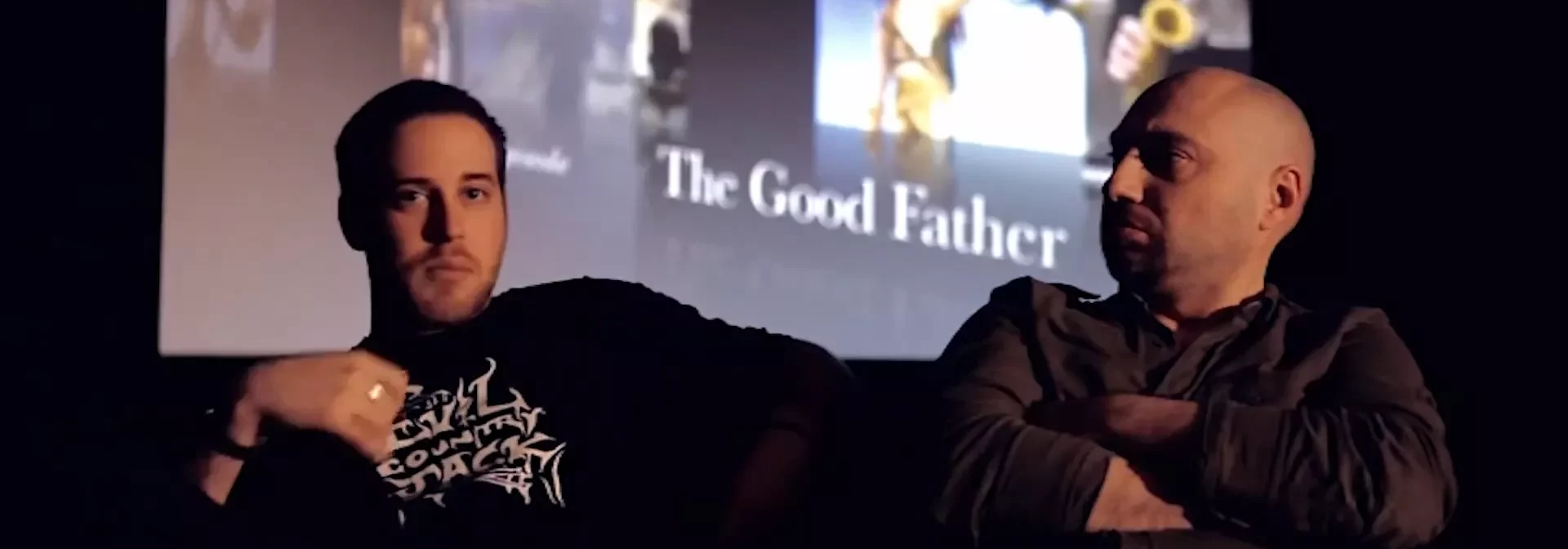
Yann Gobart clearly explains the philosophy of the series: “The idea is to take characters from popular culture, whether literary, musical, or cinematic, with a preference for cinema and literature… and have them meet in an improbable, even downright surreal story.”
The team fully embraces its influences: “We are very inspired by the American technique, and a bit like in ‘The Streets of San Francisco,’ that old series with Karl Malden and Michael Douglas, there is always a guest from one episode to the next.”
The Good Father (2010)
On April 23, 2010, during the Ankama Convention, visitors discovered for the first time “The Good Father”, the first episode of Débil Starz. This presentation revealed a simple but effective pitch: Charles Ingalls (the father from Little House on the Prairie) faces off against Tarzan, portrayed by Christophe Lambert.
Yann Gobart details the pitch with passion: “In the first episode titled The Good Father, it’s the story of Charles Ingalls meeting Tarzan. One wants to cut wood to build the little house on the prairie, and the other lives in the woods and doesn’t want to see the forest cleared like that.”
The episode, lasting 8 minutes, introduces a third character who disrupts the balance: “This conflict will be resolved by the arrival of a third character who belongs to… I name Leatherface, the maniacal chainsaw killer from The Texas Chain Saw Massacre.” This unexpected intrusion reveals the episode’s “ecological subtext” according to Yann.
The technical challenges of this episode are considerable, as Pierre Fernandez explains: “The Good Father is a prairie with a forest next to it. We had to create a set that is supposed to be an endless exterior.” The team had to develop solutions, especially for the sets: “Yann and I started making cardboard prototypes to see what scale we would use for this set.”
The dubbing of this episode also reveals the attention to detail: “The atmosphere was really fun, I think the actors got into it, they laughed at mocking the puritanical American society with all its references, which was really funny.”
Blackchapel (2010)
In the episode “Blackchapel”, Yann Gobart reveals the casting: “In Débil Starz, Sherlock Holmes is Morgan Freeman. And his faithful Watson is Forest Whitaker. (…) We tried to ‘blackify’ all the WASP Anglo-Saxon culture of the 20th century, even the 19th.”
“Pierre had the idea for this scenario about 2 years ago. And that was before Obama was elected in the United States. So when we started the project and Obama had just been elected, we said to ourselves, ‘Oh, we’ve got something here.'”
The team fully embraces its provocative approach while keeping the antagonist a secret.
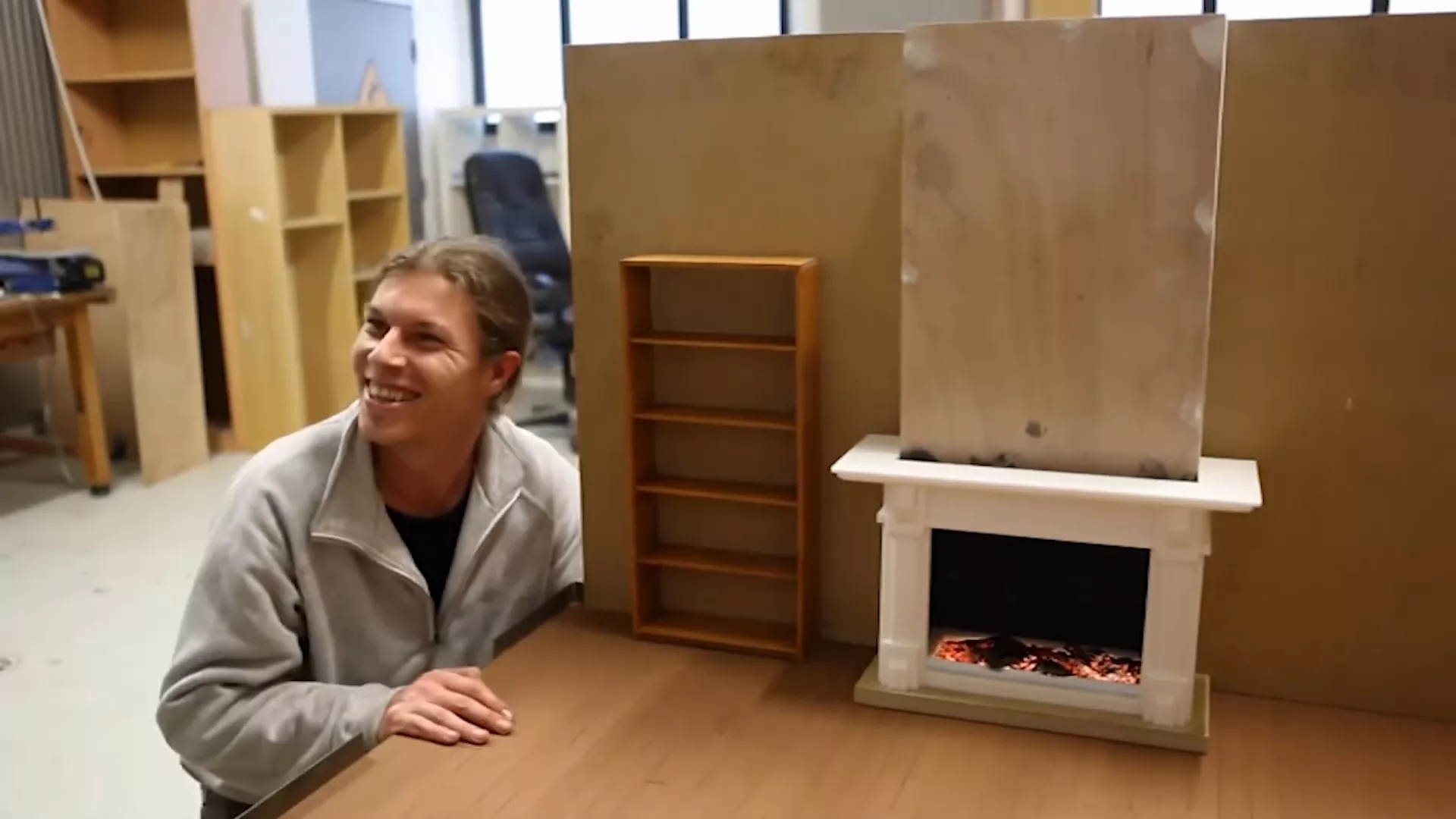
As the team explains: “Jonathan made us a magnificent set, we said to ourselves we have to see it from all angles. We’re going to do a semi-circular tracking shot like De Palma because the set is too beautiful, we’re going to see all the volumes.” This visual ambition required creative technical solutions: “The four walls are removable, which allows us to place the camera wherever we want.”
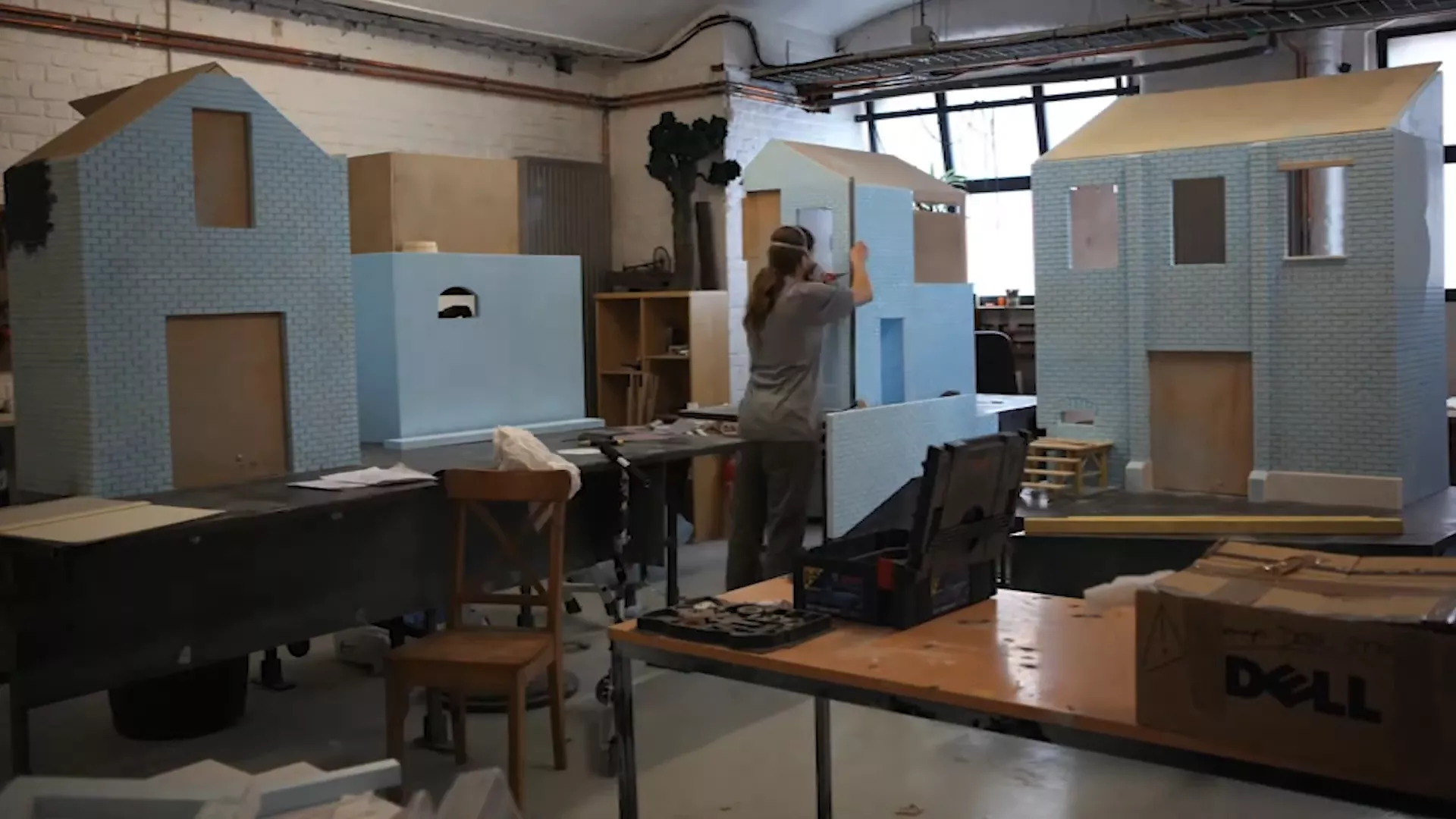
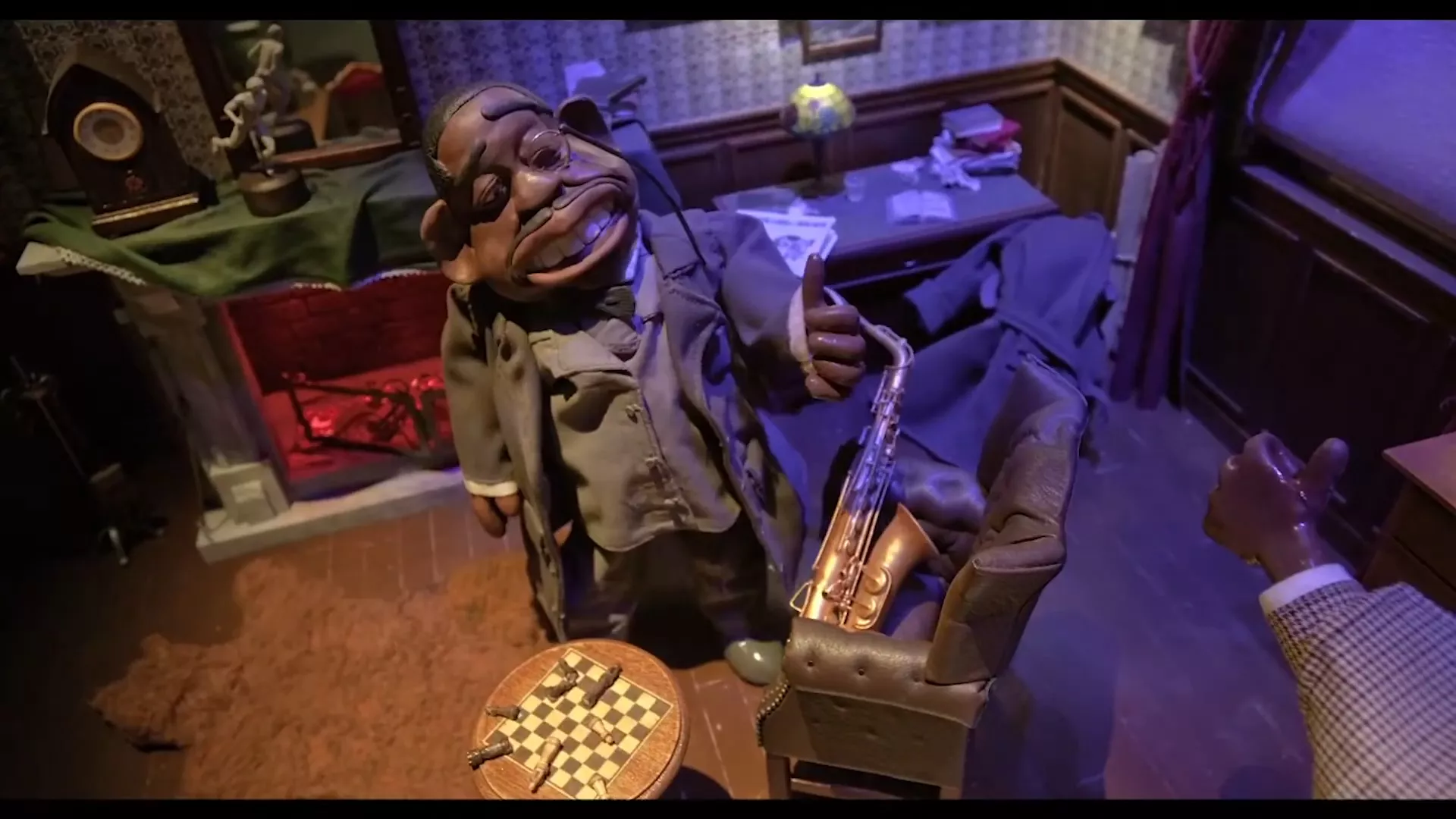
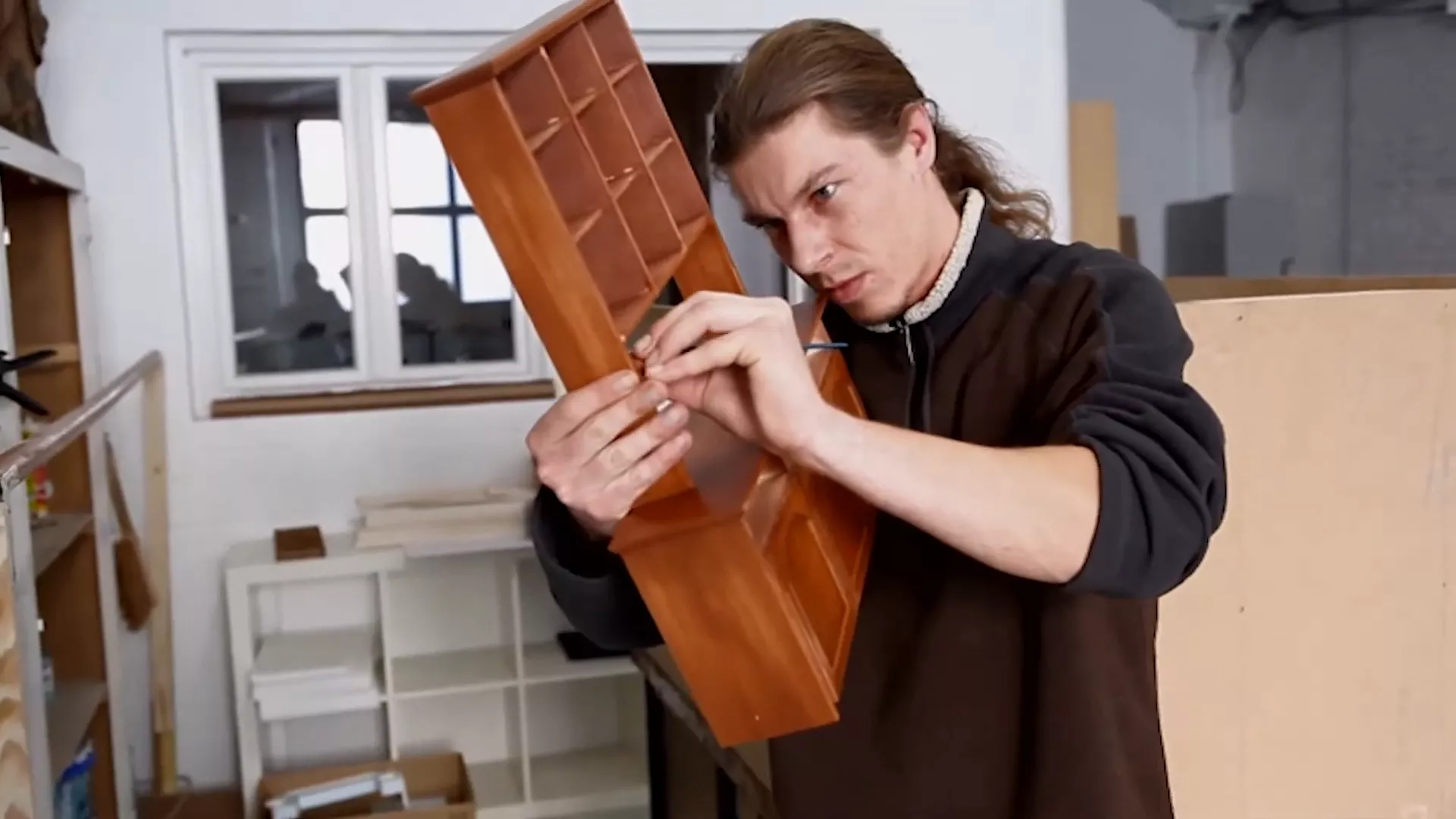
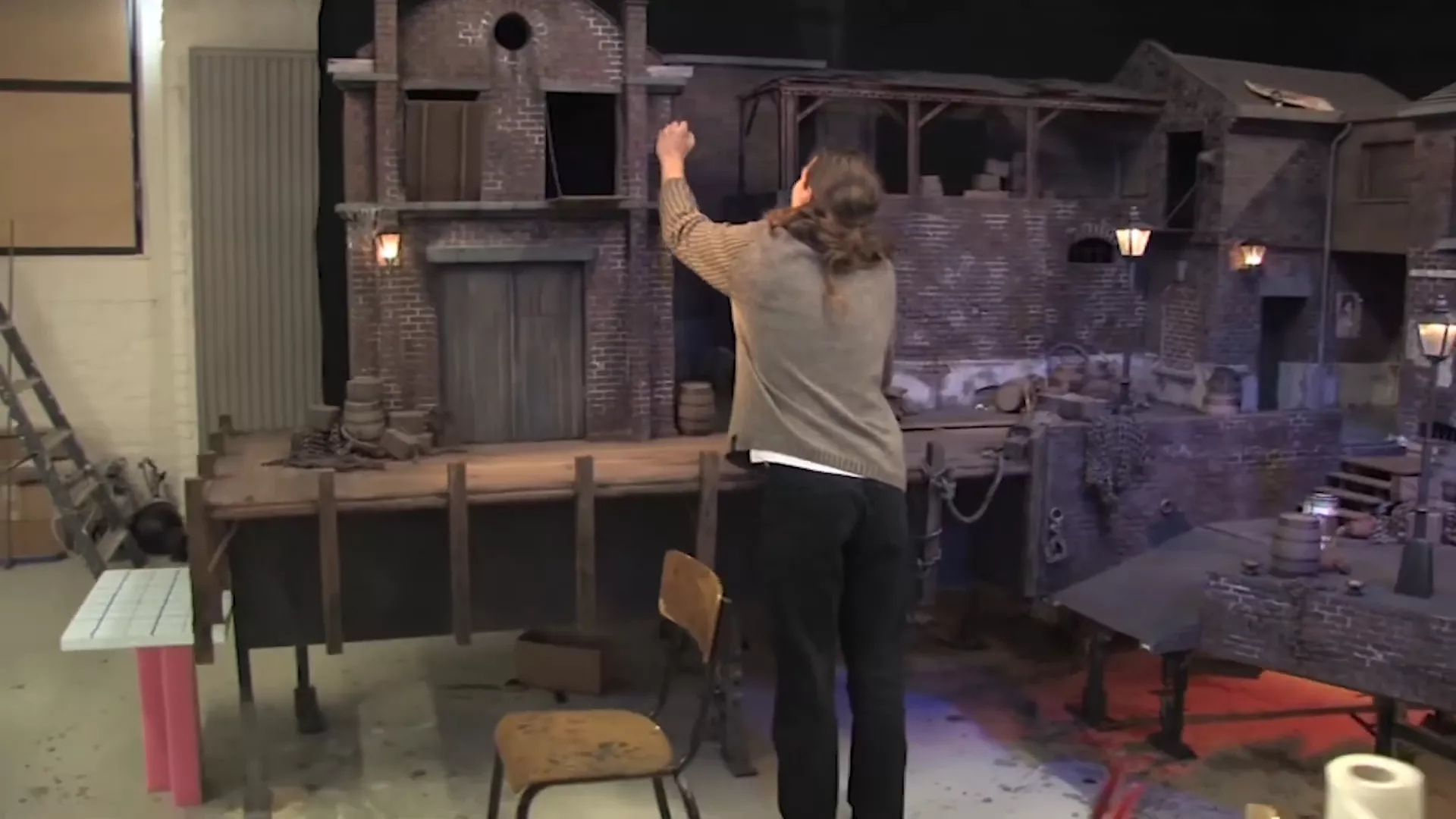
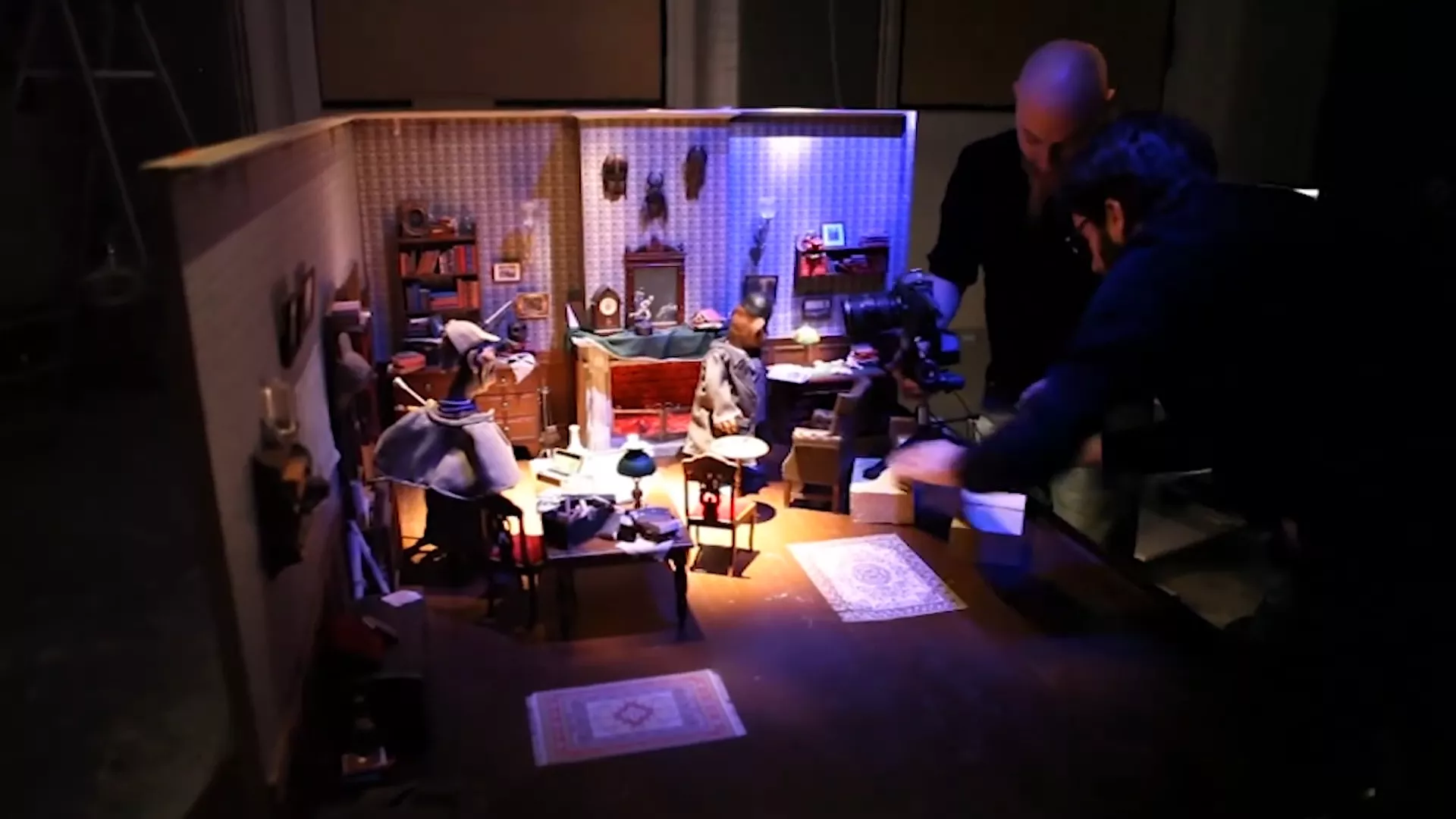
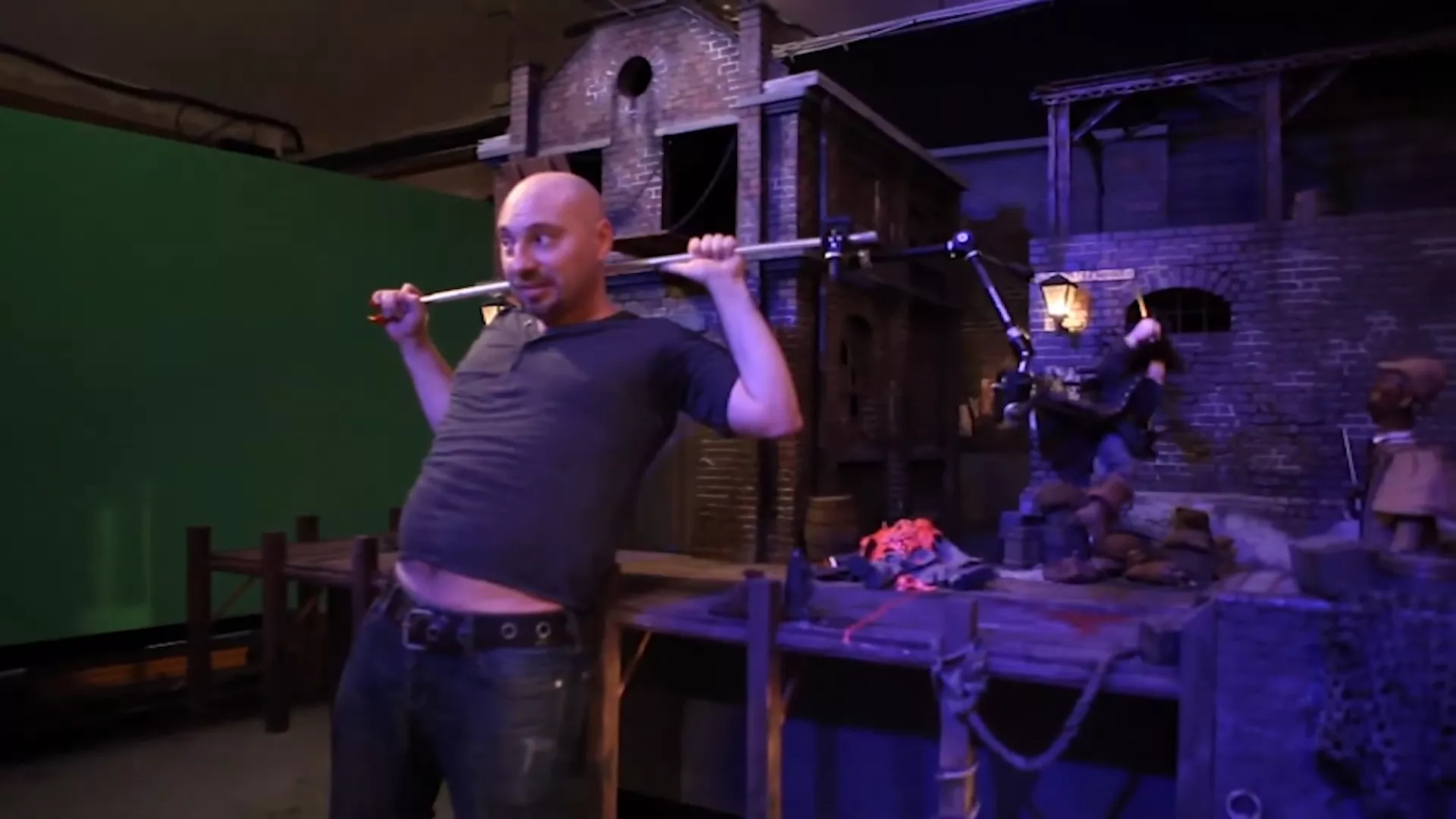
The most complex aspect of Blackchapel lies in its environments, entirely created in post-production: “For Blackchapel, the entire second part on the docks, the Thames doesn’t exist, we didn’t have the means to do the water for real… All of this is recreated in compositing, the Thames and the mist.” The team collaborates closely with Vincent Bonduau, a special effects specialist who “already works at Ankama, he works on Wakfu.”
Recognition comes quickly: Blackchapel is selected in 2011 at the prestigious Annecy International Animation Film Festival in the “TV Films in Competition” category. Yann confirms this recognition: “There was already a 6.5-minute episode shown at Annecy… in the politically incorrect section.”
Game Over Death (2011)
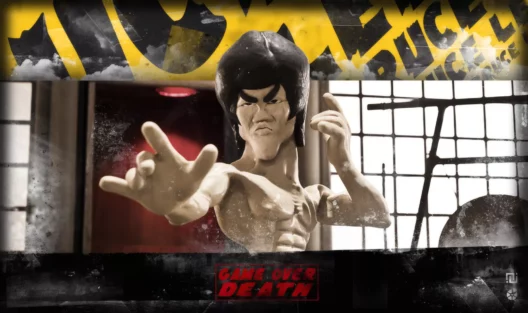
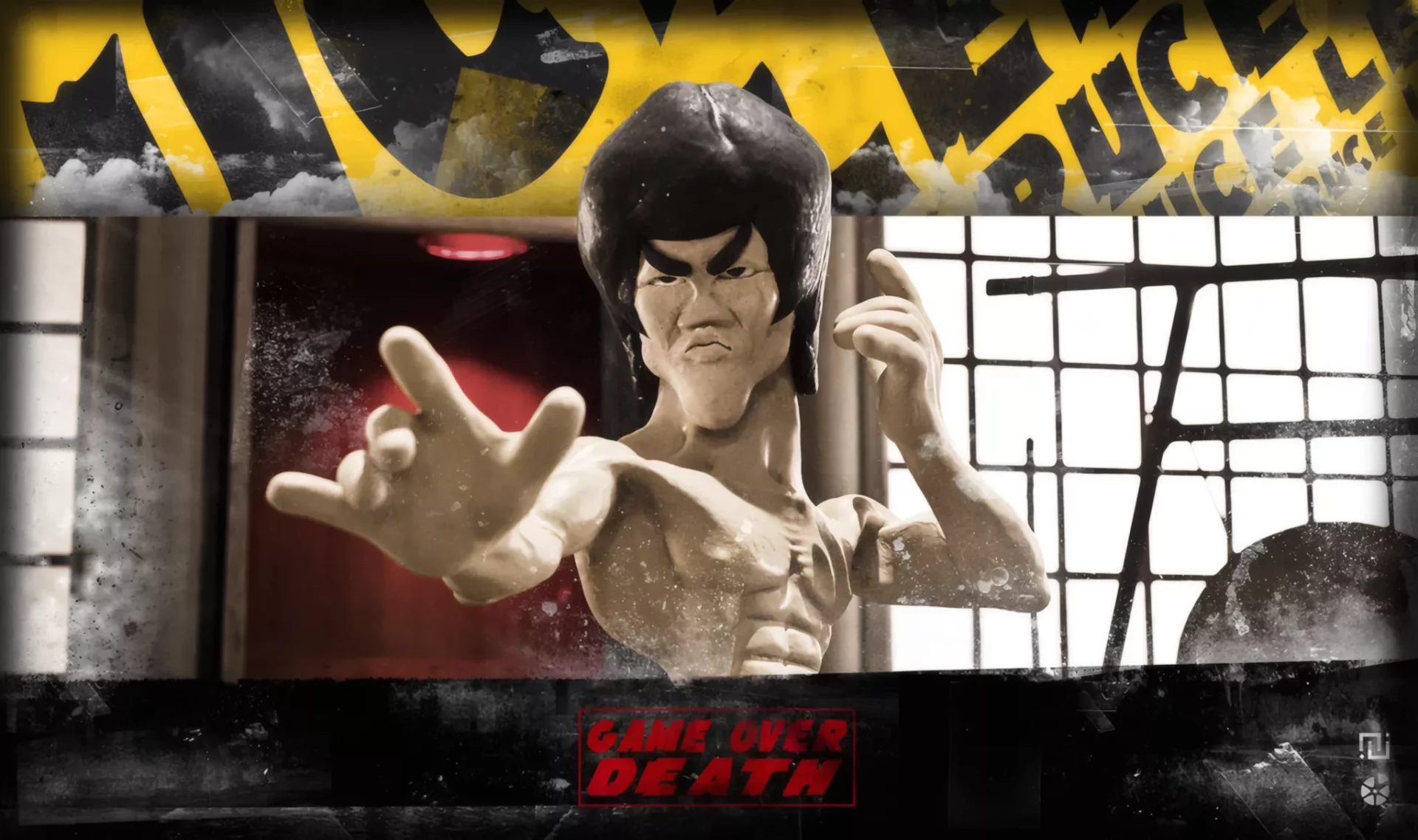
The third and final official episode, “Game Over Death”, stages the ultimate confrontation between Bruce Lee and Clint Eastwood. Yann Gobart teases this episode with enthusiasm: “The third episode that everyone is waiting for, at least us and the people who know us, will be the meeting between Bruce Lee and Clint Eastwood. I’ll let you imagine what that could look like.”
The production challenges reach their peak in this episode: “Four months of filming for six minutes of animation,” reveals the making-of. The team had to manage complex technical constraints, notably the “special effects: explosions, energy balls, a Gatling gun firing bullets everywhere.”
The main challenge of this episode lies in creating a “Street Fighter-style energy ball, which was the main reference. It must not look like a video game, it must not be too stylized, it must be as realistic as possible, so that was the challenge to integrate it well into the image.”
The episode benefits from exceptional voice acting with Patrick Noérie as Clint Eastwood and Mathieu Doang as Bruce Lee. The casting director testifies: “Patrick was the official French dubber for George Clooney… and without thinking about the suave and nonchalant side of George Clooney, I thought it could fit Clint Eastwood.” For Bruce Lee, the challenge was different: “Bruce Lee’s voice was not easy either… there are two dubs, the one from the time… and the one from today… and in fact, Mathieu Doang exceeded my expectations.”
The Craft of Claymation
The working method favors craftsmanship over industrialization. Yann Gobart fully embraces this: “We allow ourselves to improvise because, as I repeat, we are artisanal, but if we were a larger structure and worked more industrially, with an even greater need for productivity than ours, we wouldn’t be able to allow our puppets to improvise.”
The use of “magnets under the characters’ feet on iron plates” allows unprecedented flexibility: “This allows us to move them and make them stand flat on the set… or even improvise certain movements that weren’t storyboarded initially.”
The making-of reveals the secrets behind the creation of the series’ iconic characters. Pierre Fernandez explains his method: “The basis of this series is caricature. I sculpt the faces in clay and make two basic expressions, then Jonathan makes molds and we produce several copies.”
Yann Gobart details this revolutionary technical innovation: “Generally, when you do stop-motion, you change the characters’ heads from one frame to the next… But Pierre sculpts everything in front of the camera. That’s why the heads are made of clay. It allows him to work on the corners of the lips, the eyebrows moving as he goes.”
The complexity of the process is detailed by Yann during the interview: “An episode takes between 6 months and 10 months… Writing the scripts can take 3 weeks… a month to write the script, 4 or 5 months to film… a month and a half, 2 months to make the sets, and then a full month for post-production.”
For The Good Father, the team developed a unique method: “We made cardboard prototypes, then polystyrene, and then plaster.” The working scale posed constant challenges: “We work at a one-fifth scale, which is very small, so we have to adapt.”
The workshop visit reveals the meticulous work on the sets for the third episode: “Caroline is working on aspects of the next set, it will be a kind of lounge… here is the bar and the piano… the keys are removable.” Yann jokes about this detail: “I think it’s not very well tuned, but we’ll see that in post-production, the music will create the illusion.”
Blackchapel pushes innovation further with modular sets: “The set is fragmented into several parts that interlock and can be detached to allow the camera to be positioned precisely.” This technical flexibility allows for shots impossible with traditional sets.
The team rejects the simplicity of fixed shots: “We could have settled for fixed shots, so a very theatrical inspiration, but we said that wasn’t the point either. We really try to get as close as possible to cinema.”
Alexandre, director of photography, testifies to the complexities of lighting: “At first, it was about figuring out how we were going to manage to create a daytime exterior in a fairly small volume, especially in terms of ceiling height.” The solution required “multiplying light sources, so multiplying bulbs, managing different color temperatures, and intensity issues.”
“This leads us to sometimes film the puppets from behind, why not? A bit like… playing with off-screen, musical gags, getting out of the somewhat narrow straitjacket of animation for animation’s sake.”
Yann Gobart testifies to the magic of the animation process: “When we reach the end of the day, the shot is finished and this character comes to life before our eyes, moving, while we’ve only seen it fixed… it’s always magical, it’s excellent.”
“So it makes us want to make them jump, fence, shoot, tell jokes, have a drink, push a table… we really try to make them act, interact as much as possible.” Pierre Fernandez pushes this approach to the extreme with complex camera movements, despite the lack of professional equipment: “We don’t have motion control… So when the camera moves, and believe me it moves from one episode to the next because Pierre is really very particular about this.”
The animation process itself reveals a rigorous methodology: “We take photos one after the other as we move the character… It’s a camera connected to a computer with software that allows us to see the animation evolving, to check if it’s what we’re doing or if we need to redo the last frame.”
The making-of details specific innovations: “For Blackchapel, the entire second part on the docks, the Thames doesn’t exist, we didn’t have the means to do the water for real… All of this is recreated in compositing, the Thames and the mist.” Yann Gobart embraces this technical hybridization: “There are things we can’t invent on set… we’re not going to animate water frame by frame… we say it’s still better to do it in CGI.” This pragmatism reveals a team that doesn’t hesitate to mix techniques to serve creation.
The Limits of the Format
Despite critical successes and festival selections, Débil Starz suffers from structural limitations that hasten its demise. The claymation stop-motion format, particularly time-consuming, drastically limits production pace. The making-of confirms this unambiguously: “Four months of filming for six minutes of animation,” a ratio that makes it difficult to develop a regular series.
Yann Gobart details these constraints during the interview: “A puppet… A frame is great to do in cinema, you film, you press record and that’s it. But here, if we want to do a 6-second shot, 120 frames or so, we have to do all the frames, the images one after the other.”
The adult target audience of the series also poses a problem within Ankama’s ecosystem of the time, traditionally oriented towards a family or young adult audience. The black humor and cinematic references of Débil Starz struggle to find their natural audience within the Ankama community, more accustomed to fantasy universes.
The end of Débil Starz in 2011 coincides with several strategic changes at Ankama. The studio gradually focuses its efforts on more ambitious and commercial productions: development of feature films, international expansion of Wakfu, and launch of new transmedia projects.
Pierre Fernandez leaves Ankama after this experience, ending the stop-motion sector he had created within the studio. This separation symbolically marks the end of a period of artistic experimentation.
Yann Gobart had “big ambitions for this episode” Blackchapel, but these hopes would not materialize. The team’s enthusiasm, palpable in every testimony, is not enough to maintain this sector within the studio.
After 2011, Débil Starz quickly fades into obscurity. The episodes, initially available on Ankama’s official website, gradually disappear from official platforms.
Pierre Fernandez continues his career as a freelance stop-motion animator, working on various projects. However, Débil Starz remains the most visible work in his filmography, despite its near invisibility.
Between 2012-2016, Fernandez develops other projects, but none achieve the critical recognition of Débil Starz.
The Official Return of Pierre Fernandez
2024, creation of the official YouTube channel “DEBIL STARZ PF” by Pierre Fernandez. This personal initiative by the original creator demonstrates a desire to reclaim his creative legacy and relaunch the series independently.
The channel offers not only the restored original episodes but also new content. Fernandez unveils show reels, detailed making-ofs, and even new short films like “Carbonite Dream”, a Star Wars parody featuring Han Solo in hibernation. This recent production proves that the creator has lost none of his talent and sense of parody.
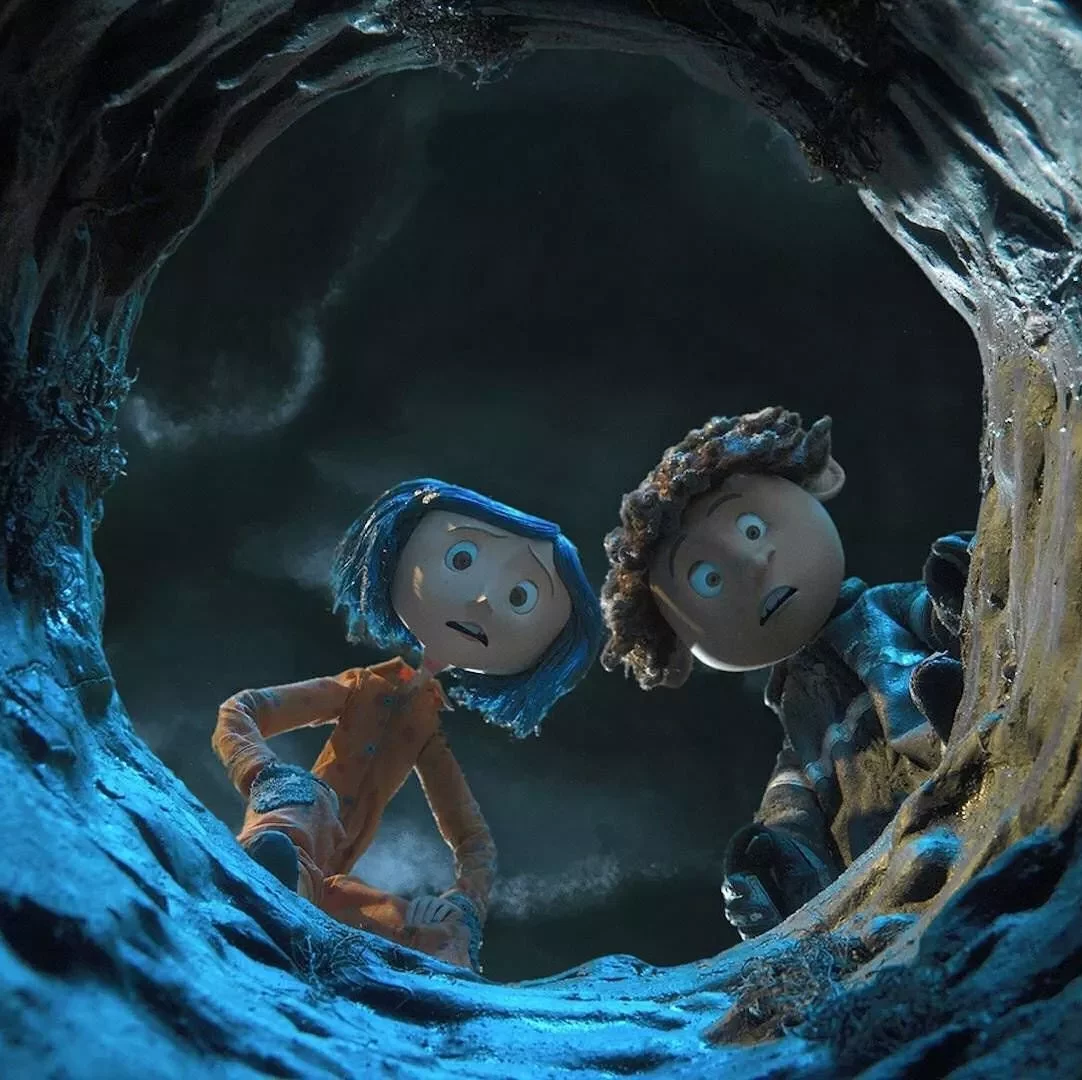
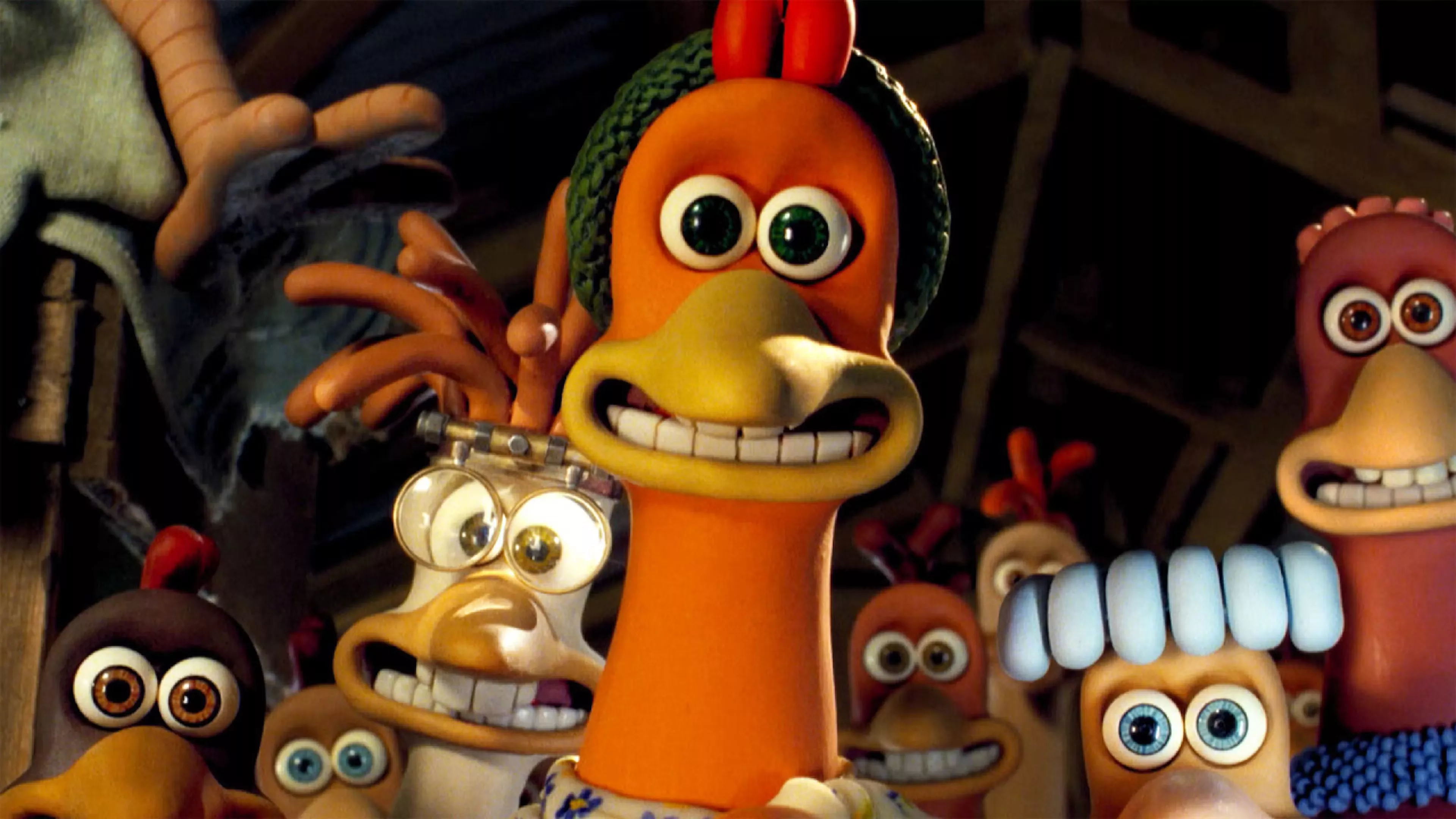
Unlike the UK with the international success of Aardman and Wallace & Gromit—which had won over 100 international awards since 1989—France did not have a champion capable of commercially carrying this technique. Wallace & Gromit: The Curse of the Were-Rabbit (2005) had shown that an adult audience existed for this type of content, becoming the second most profitable stop-motion film in history. In the United States, creators like Henry Selick were already exploring adult themes with works like Coraline (2009).
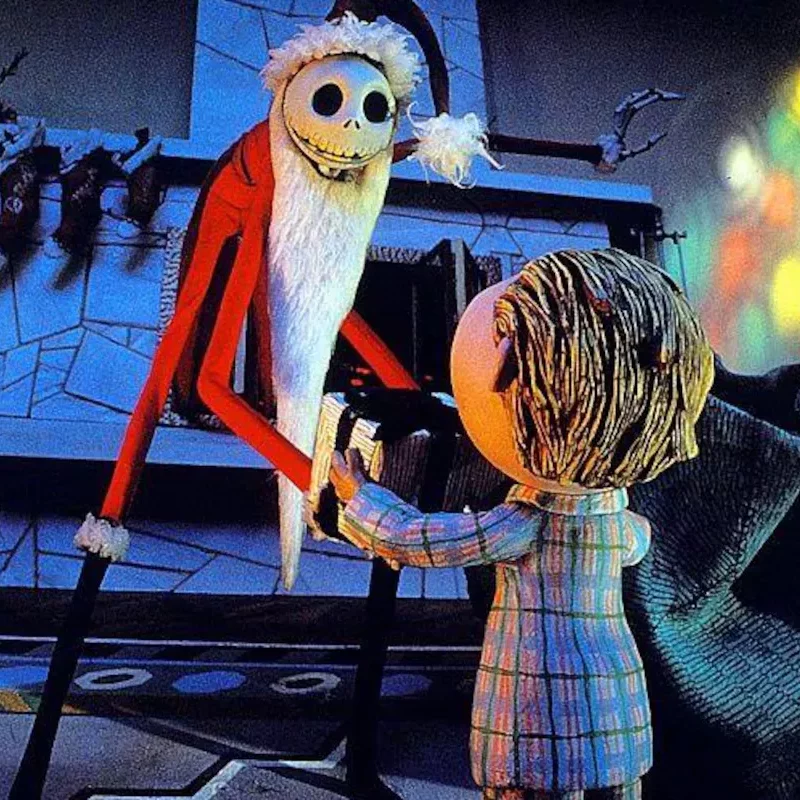
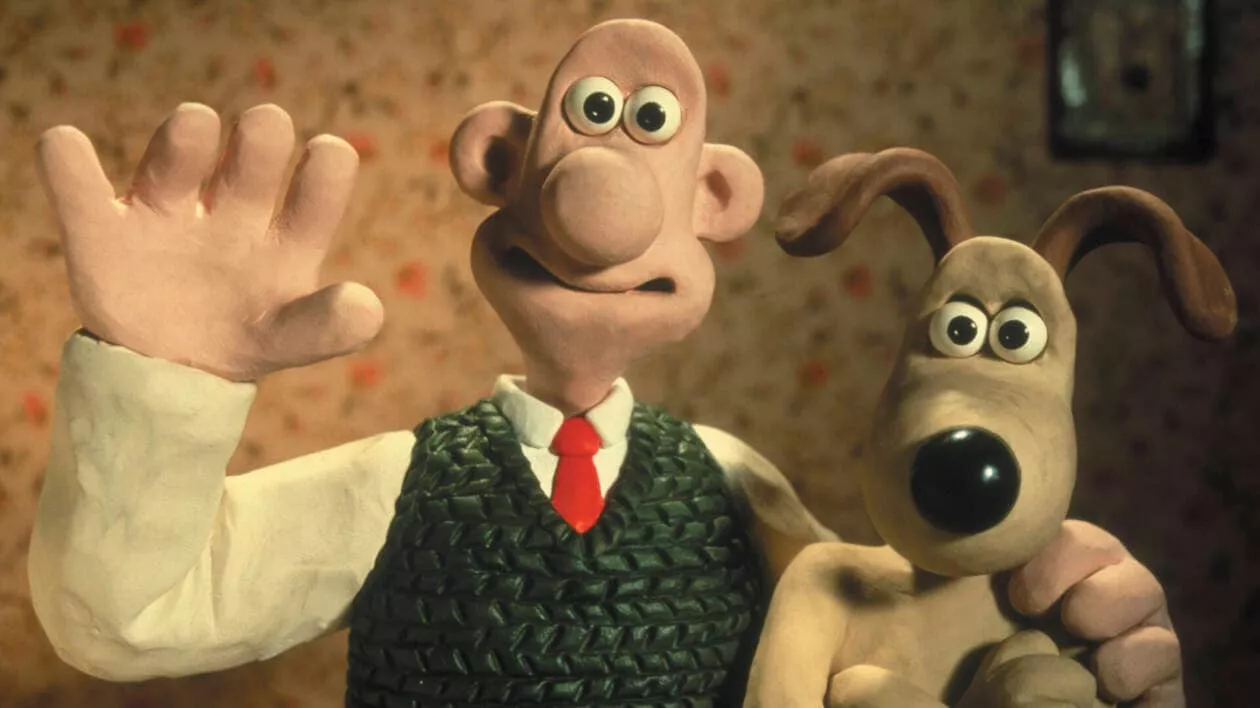
The French stop-motion audience indeed seemed “too young” in 2010-2011. The cultural references of Débil Starz—Charles Ingalls, Sherlock Holmes, Bruce Lee—were aimed at a generation shaped by 1970s-1980s cinema, but this generation did not yet consume animation en masse. The 20-35 year olds, the natural target audience for the series, then favored live-action series and had not yet developed an appetite for adult animation.
Netflix and streaming platforms played a decisive role in this transformation. The platform created adult animated series such as BoJack Horseman and Archer, normalizing this type of content for the general public.
The end of Débil Starz did not discourage Ankama from attempting hybrid production with stop-motion again. In 2017, the studio proudly announced an animated adaptation of Monkey Bizness, a comic by Pozla and El Diablo published by Ankama Éditions in the Label 619 collection. The project seemed promising: “A 10×7′ project for adults” produced by the studio Passion Paris with support from France Télévisions (Studio 4) and the CNC. This series, “half live/animation (puppets + 2D)”, represented a technical evolution compared to Débil Starz, blending volume puppets and 2D animation.
However, despite the teaser produced and the communication around the project, Monkey Bizness never progressed beyond the pilot stage. Ankama wasn’t really involved in the production. Unlike Débil Starz, where the studio managed the entire production, Monkey Bizness was outsourced to Passion Paris, diluting Ankama’s direct involvement in the creative process.
For the curious, the episodes are now available on Pierre Fernandez’s official channel, allowing you to discover or rediscover this unique series.
In 2026, to celebrate Ankama’s 25th anniversary, the “Once Upon a Time…” series of articles revisits the studio’s abandoned or forgotten projects. After a final installment dedicated to IG Magazine, it’s Débil Starz’s turn to be in the spotlight. And who knows? Maybe the next episode will be about Wakfu TCG?